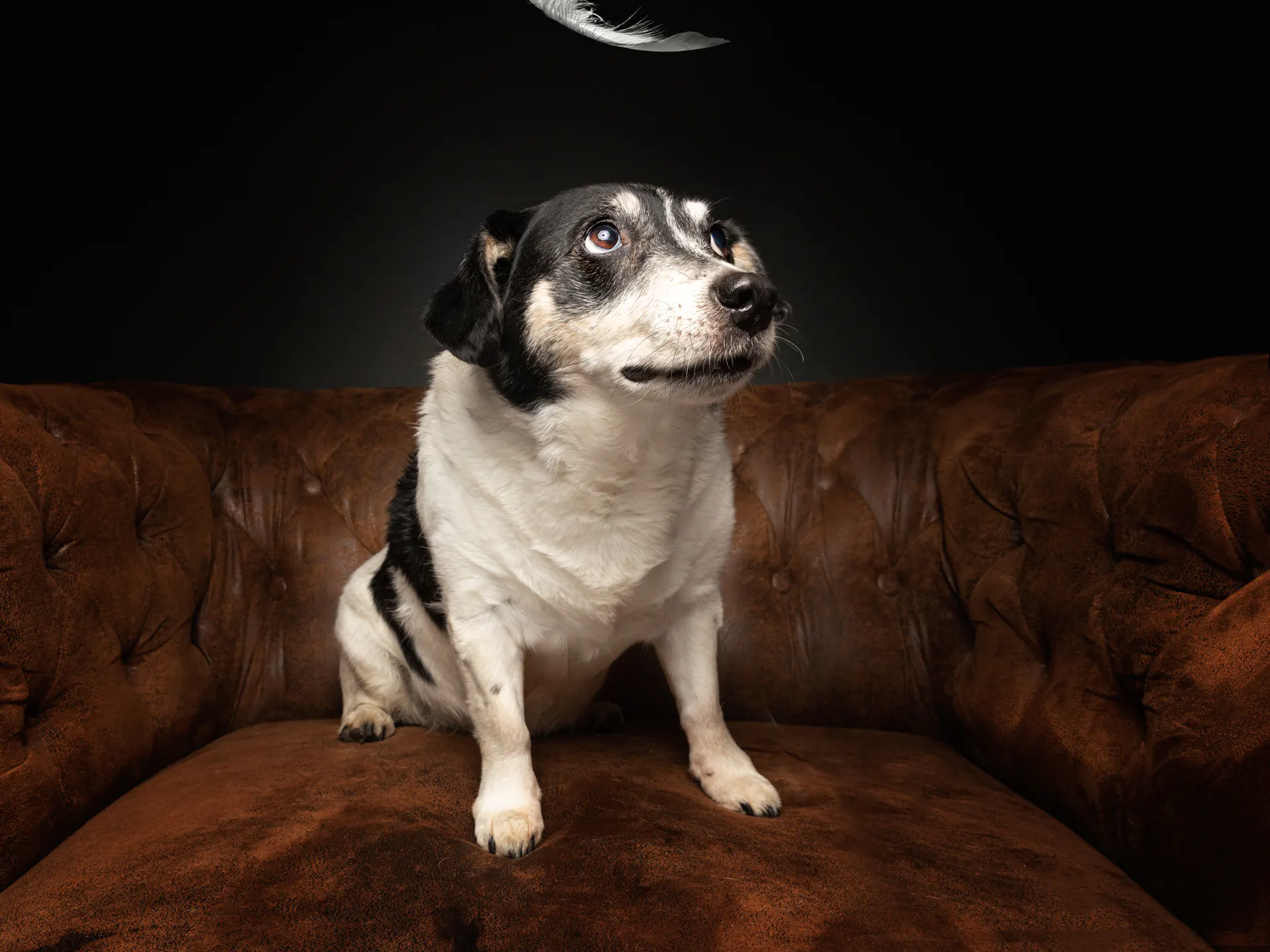
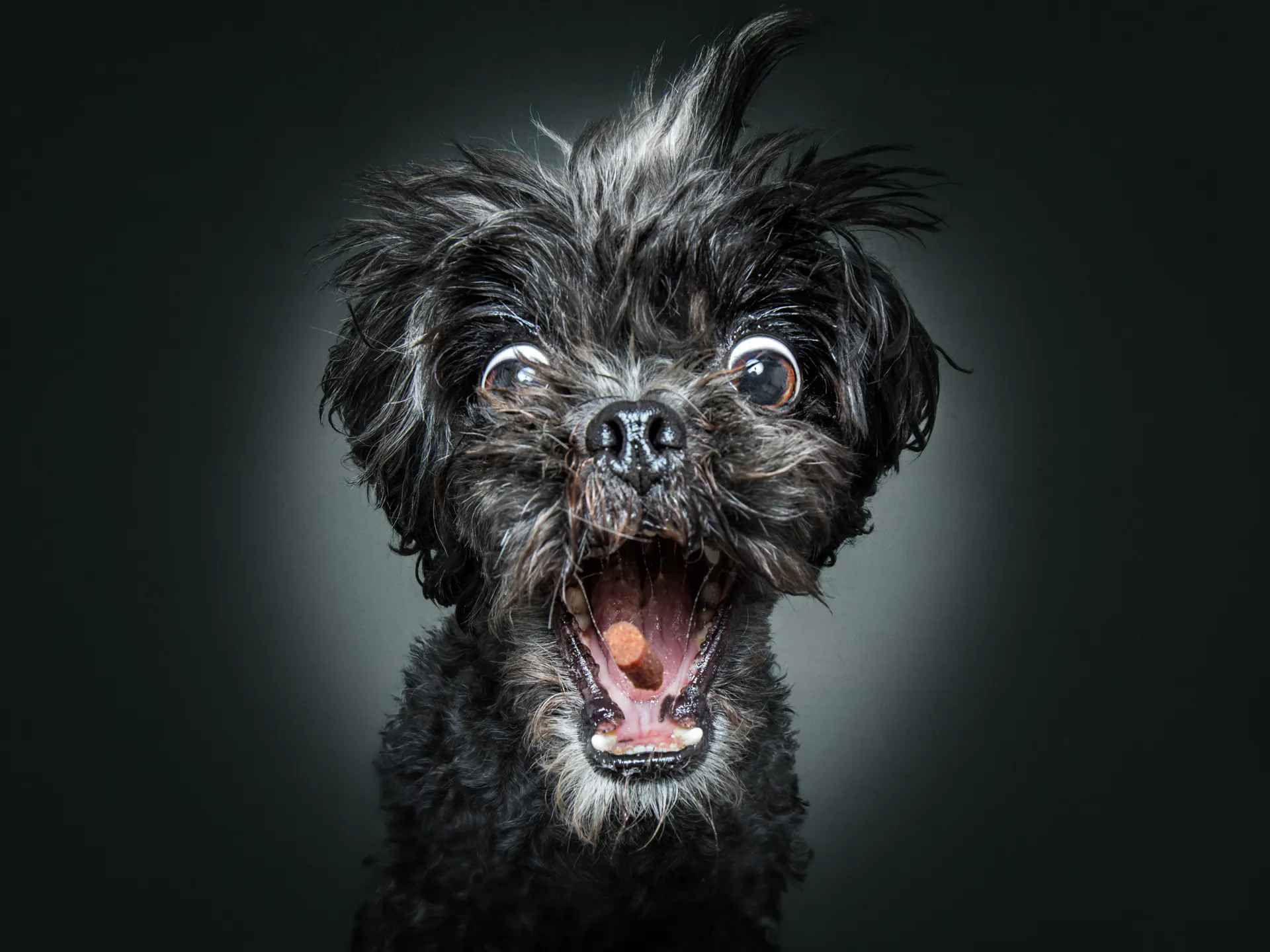
A split second can reveal an entire personality. Photographer Christian Vieler has spent more than a decade capturing dogs in moments that are funny, unexpected and often surprisingly moving. His photographs go beyond the familiar image of a beloved pet: they reveal expression, individuality and the emotions hidden in a pair of eyes. For Canine Society, Vieler talks about the craft behind his work, the dogs that steal the show and why spending time with our four-legged companions might just teach us something about how to live.
When did you realise that photographing dogs was your art?
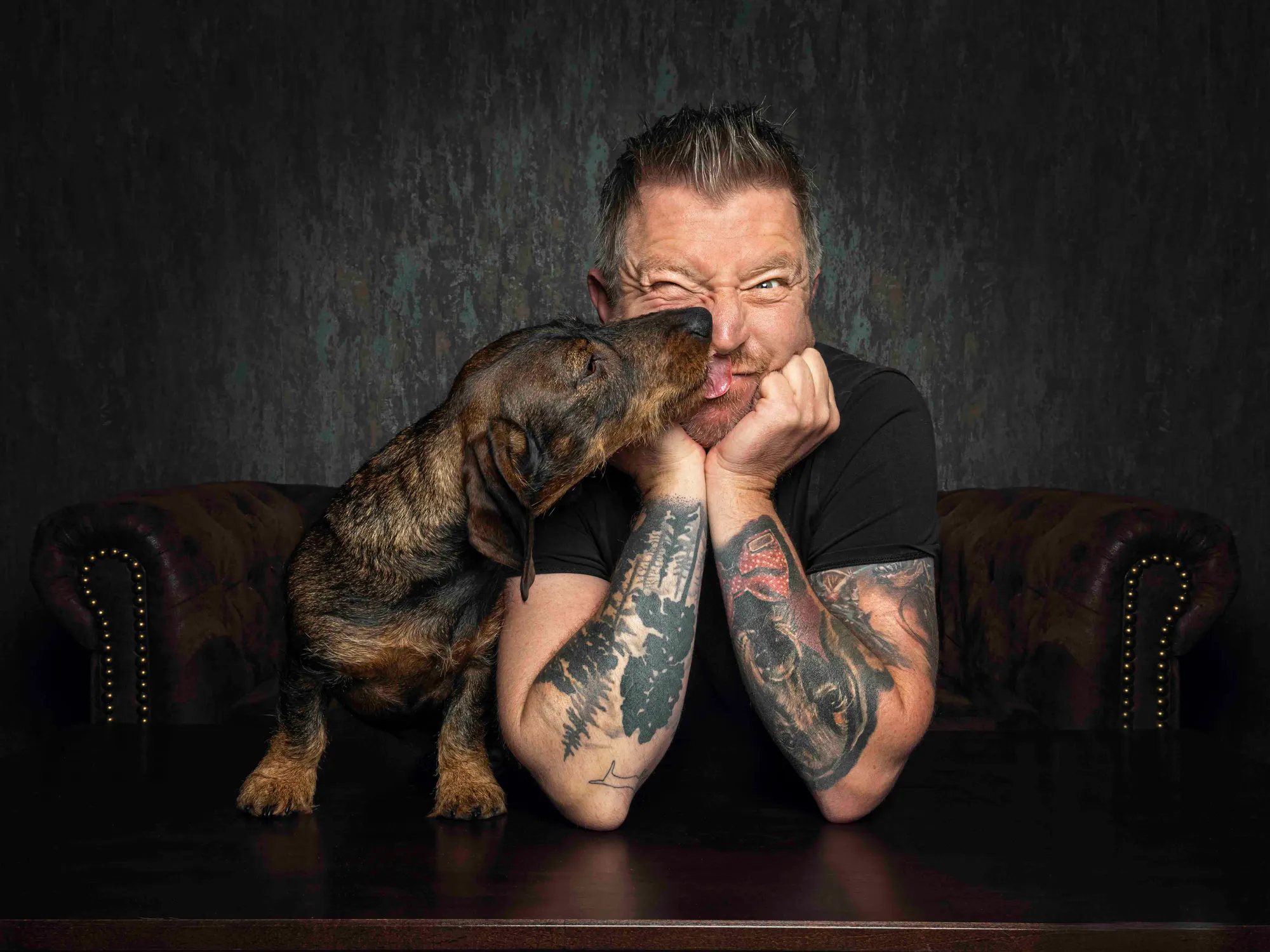
Christian Vieler: “I’ve never really thought of myself as an artist. I’ve always approached my photographs as a form of craftsmanship, and I never consciously considered my work to be art. Perhaps other people see it that way, and that’s a good thing. For me, it has always been about the craft of photography. I realised I wanted to pursue it professionally when my work became really popular. The response came from the outside. People started telling me, ‘You’re good at this. You could actually make a living from it.’ And that was the crucial point. I’m quite grounded, and doing what I love for a living means I can keep doing it for the rest of my life. Otherwise, it would simply be a hobby.”
I’ve always approached my photographs as a form of craftsmanship.
What makes a dog unforgettable through your lens?
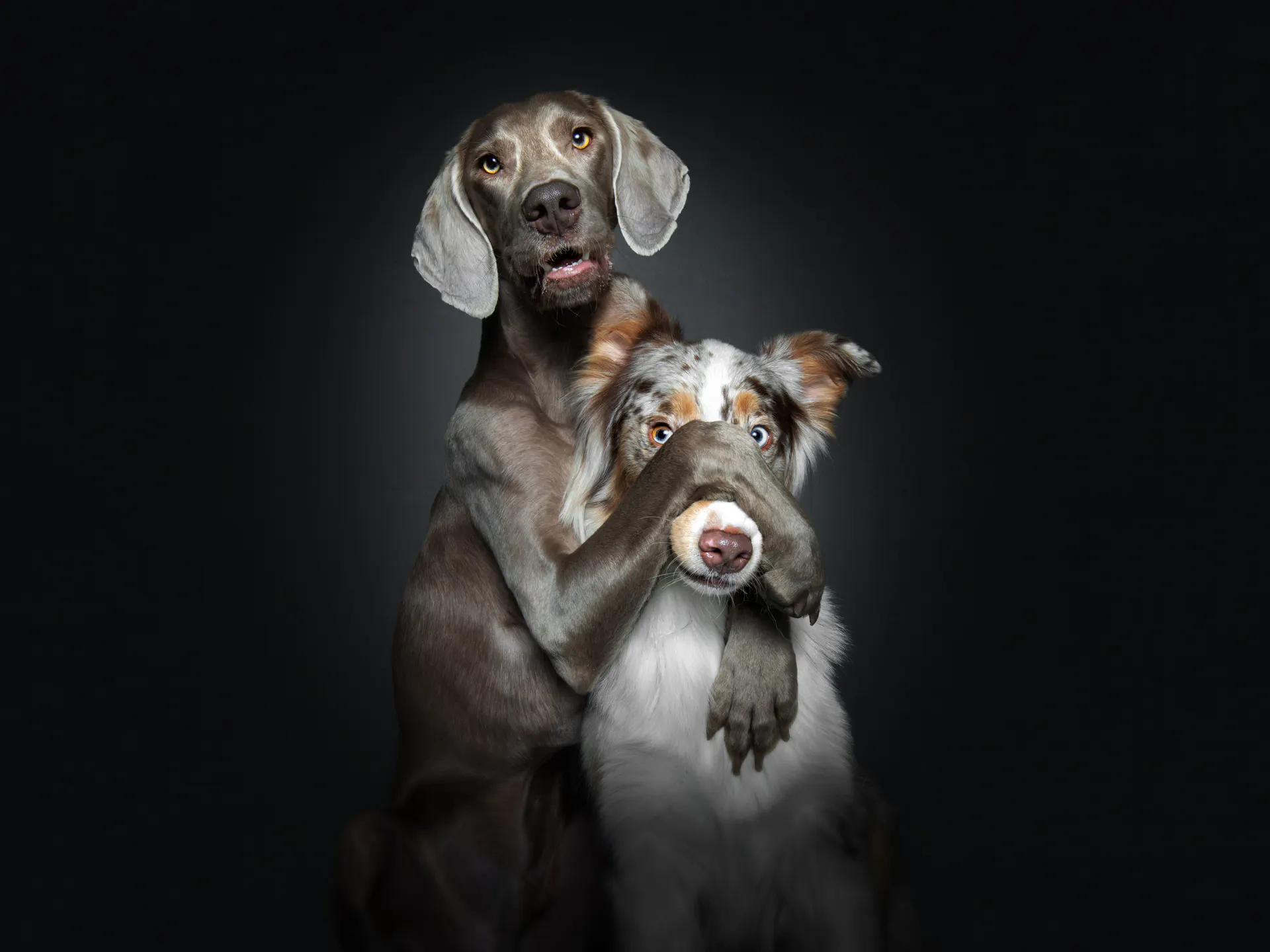
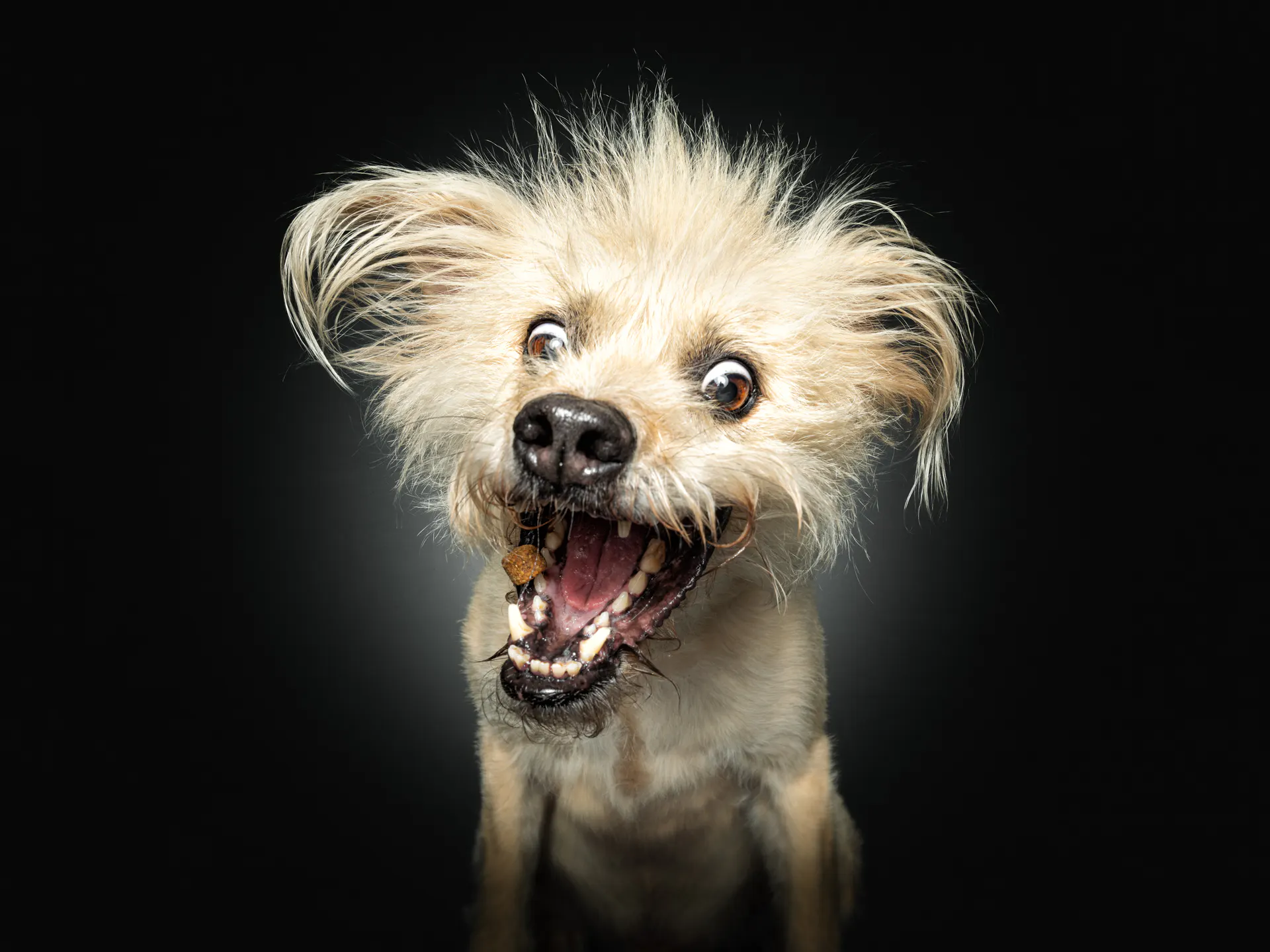
Christian Vieler: “The most important thing is building a connection with the dog, even in the short time we have together. I believe so much of a dog’s emotion comes through its eyes, which is why I always try to get as close as possible. That’s also why my photographs are usually close-up portraits rather than full-body shots. When I look at the pictures that best represent my work, I’m searching for a special moment in the dog’s expression. It has to be a little unusual, something that touches your heart. The photograph has to speak to you. That’s one of my main criteria when selecting images, and I think it’s something the owners recognise, too. Of course, good lighting helps, but it’s that emotional connection that makes the difference.”
Which breeds steal the show, and which surprise you most?
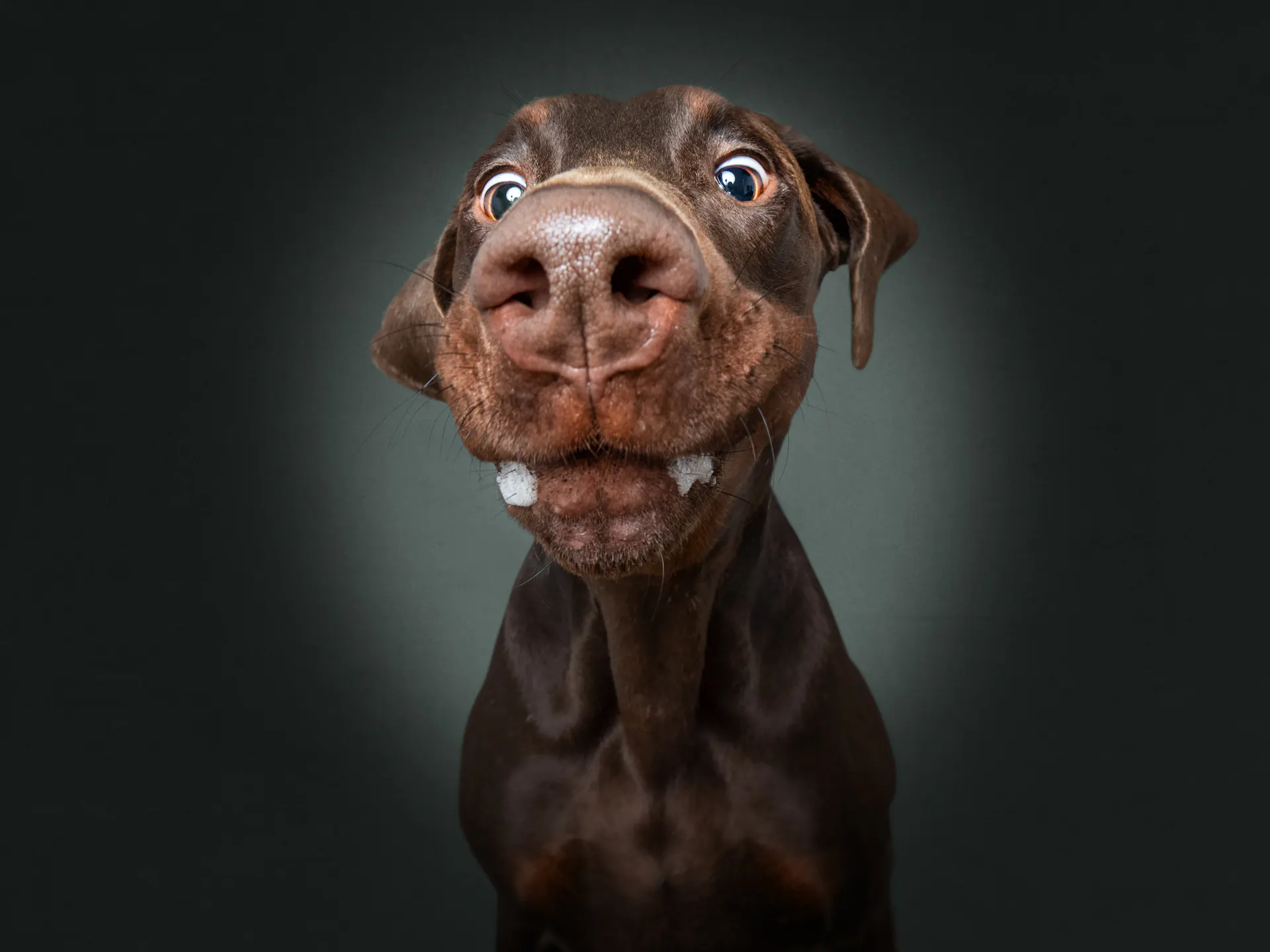
Christian Vieler: “In general, short-haired dogs are easier to photograph because you can see more of their facial expressions. With some poodles and other long-haired breeds, there can be so much fur around the face that you barely see the eyes. Sometimes their eyes are set quite deep, with even more fur in front of them. It can be difficult to capture an expression that really connects with you. But ultimately, it depends on the individual dog’s character. Whether you have a German Shepherd, a Labrador or a Chihuahua, a funny personality is never a question of breed. Interestingly, it’s often the very young, energetic dogs or the senior dogs that steal the show — and the hearts. Older dogs, in particular, can create some of the most emotional moments. Nobody knows how much time they have left with their owners, and that awareness can change the atmosphere in the room. I’ve experienced shoots with five, six or even eight people present where, suddenly, everyone falls silent. Those are among the most touching moments.”
The photograph has to speak to you.
What’s the funniest or most unexpected thing that’s happened during a shoot?
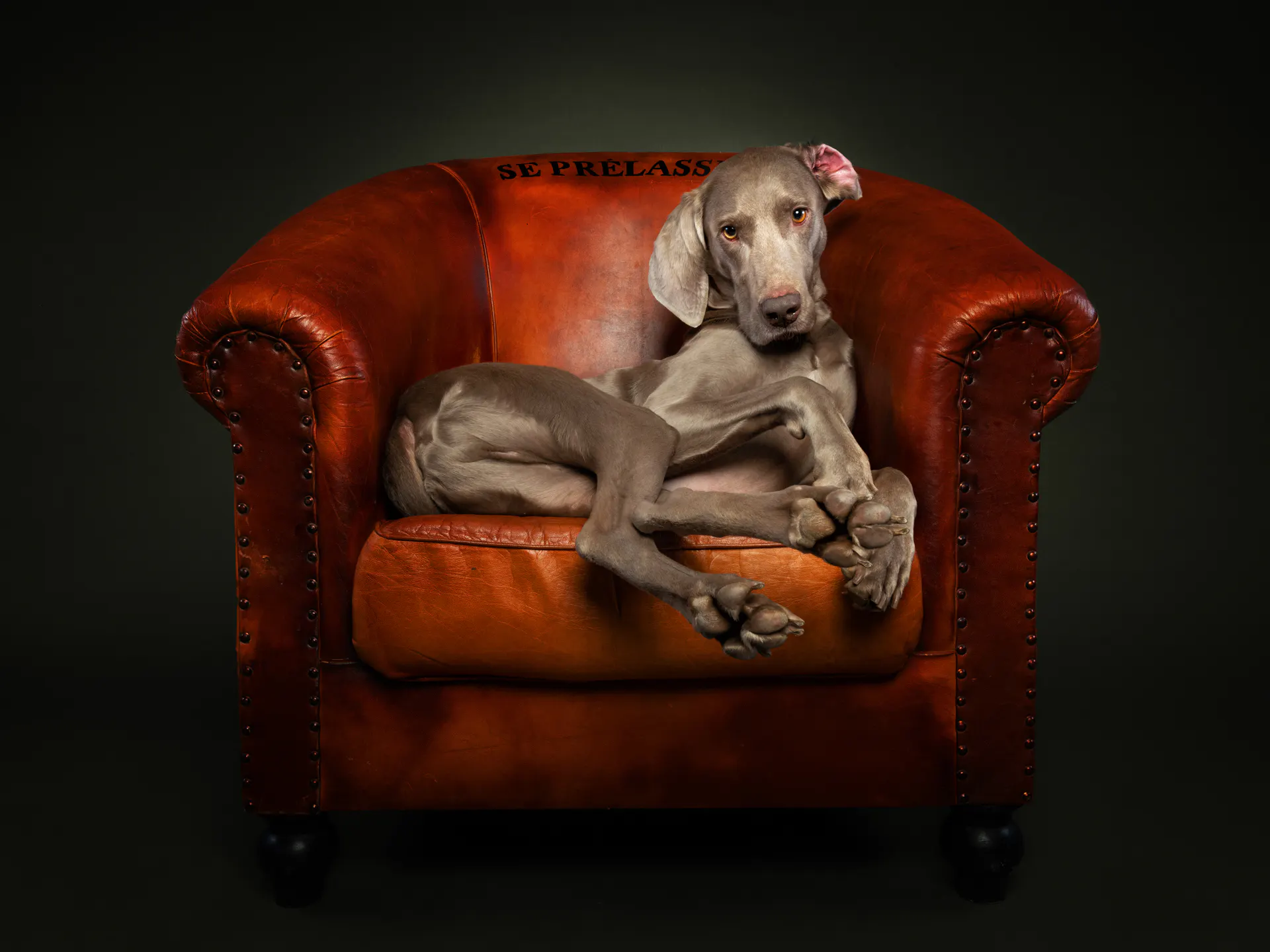
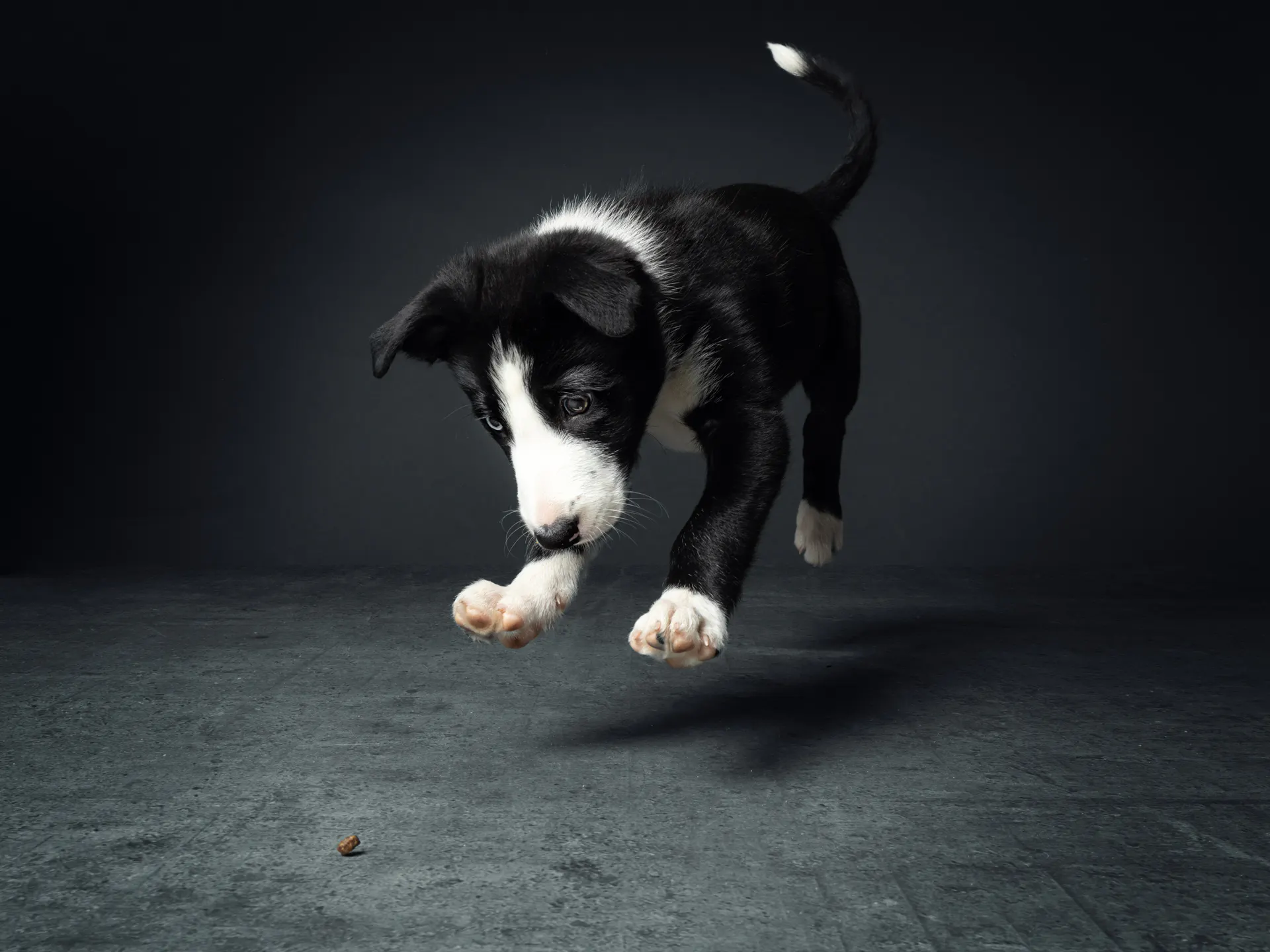
Christian Vieler: “After ten years of working professionally, I have to admit that there isn’t one single story that stands out above all the others. Often, the really funny moments only become apparent when you look back at them years later. We once did a photoshoot in a shopping mall as part of a collaboration with a pet food brand. There was a large branded area, lots of people had been invited, and screens were displaying the results of other shoots. One of the dogs was a country dog experiencing the city for the first time. When the owners placed him in front of me, he escaped. Instead of running straight away, he started racing around the branded area, with his owners trying to catch him. Before long, about ten people were chasing this one little dog around the space. It went on for five or six minutes. At the time, it wasn’t really funny. The dog was clearly uncomfortable, and that’s not how a shoot should begin. Dogs should feel safe and at ease when we photograph them. But looking back, the whole scene was almost like something out of a comic: all these people running around after one little dog.”
What do you hope people feel when they see your photographs?
Christian Vieler: “I want to make emotions visible. We all know how much owners love their dogs, but I want to capture something more specific than that general feeling of love. I want to create emotional photographs in which you can recognise particular feelings — desire, happiness or longing — and see the dog as an individual, rather than simply as a pet. Sometimes, you notice the white of a dog’s eye, something you don’t usually see because we’re so accustomed to looking at those dark brown eyes. When the white becomes visible, the dog’s expression can suddenly seem almost human. We’re trained to read human faces and emotions, whether we’re talking to our partners or navigating a business conversation. When we recognise something familiar in a dog’s expression, we may begin to see its emotions more clearly, too. For me, that can touch the heart and bring us to another level of understanding: how to see our dogs, how to treat them and how to treat them right.”
What matters is now: we’re together, we feel good, and we’re not wasting our time worrying about tomorrow’s problems.
After thousands of dogs, what have they taught you about life, trust and letting go?
Christian Vieler: “There are so many things you can learn from dogs, but for me, the most important is to live in the moment and enjoy whatever comes. Imagine seeing a dog in a wheelchair. For many people, that might seem like one of the worst things that could happen to a dog. But when you see how well a dog can adapt, and how much joy and will to live it still has, it’s an incredible experience. The dog simply gets on with life. It doesn’t define itself by the two wheels. The same applies when I photograph dogs. When you build a connection with them, they are completely present with you. They don’t care about the past or worry about the future. You create this tiny bubble in which everything is okay and everything feels good. I notice it with my own dogs, too. The before and the after aren’t really what matters. What matters is now: we’re together, we feel good, and we’re not wasting our time worrying about tomorrow’s problems. That’s probably the most important thing dogs have taught me: to be present, enjoy the moment and make the most of the life we have.”