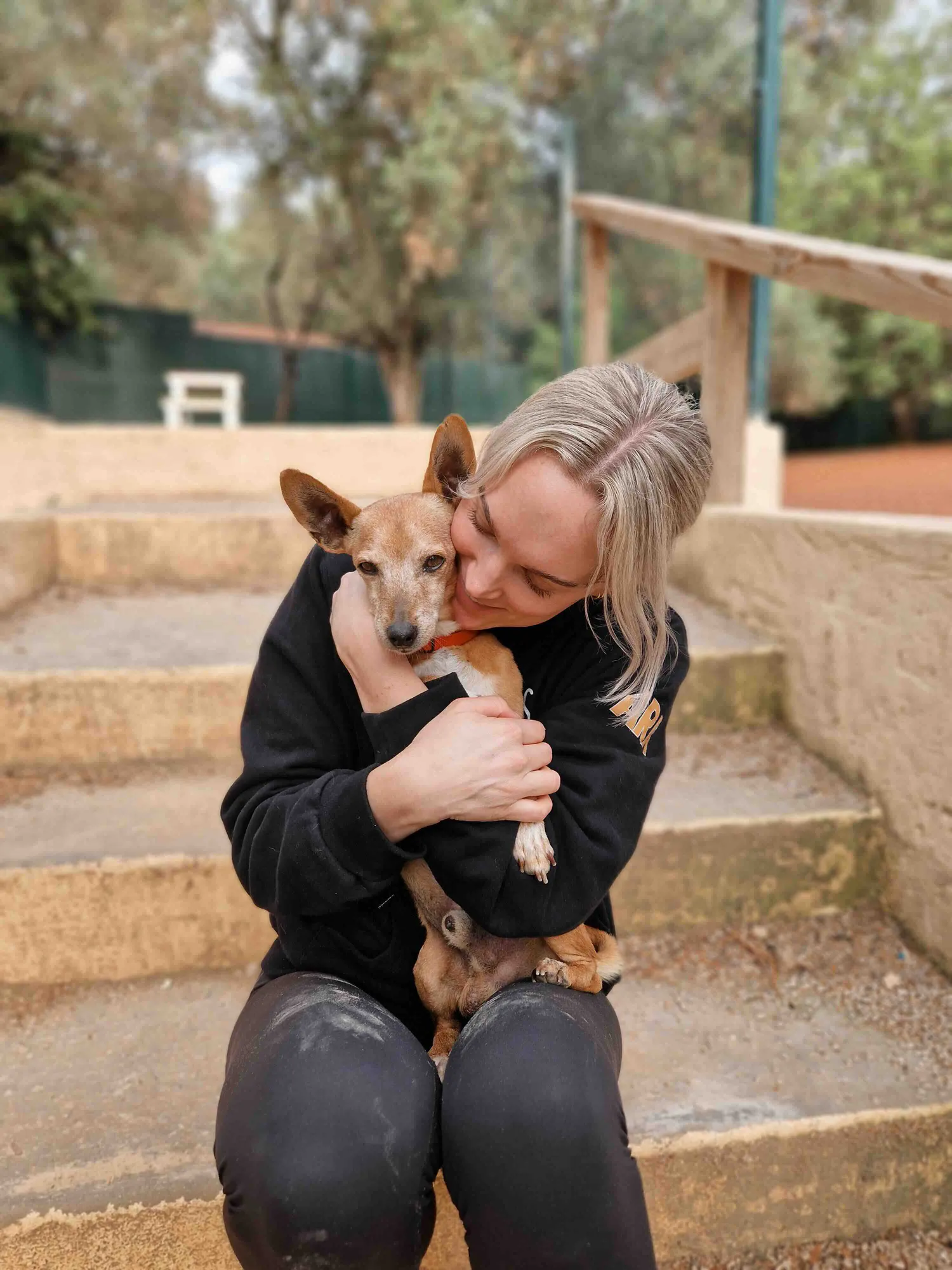
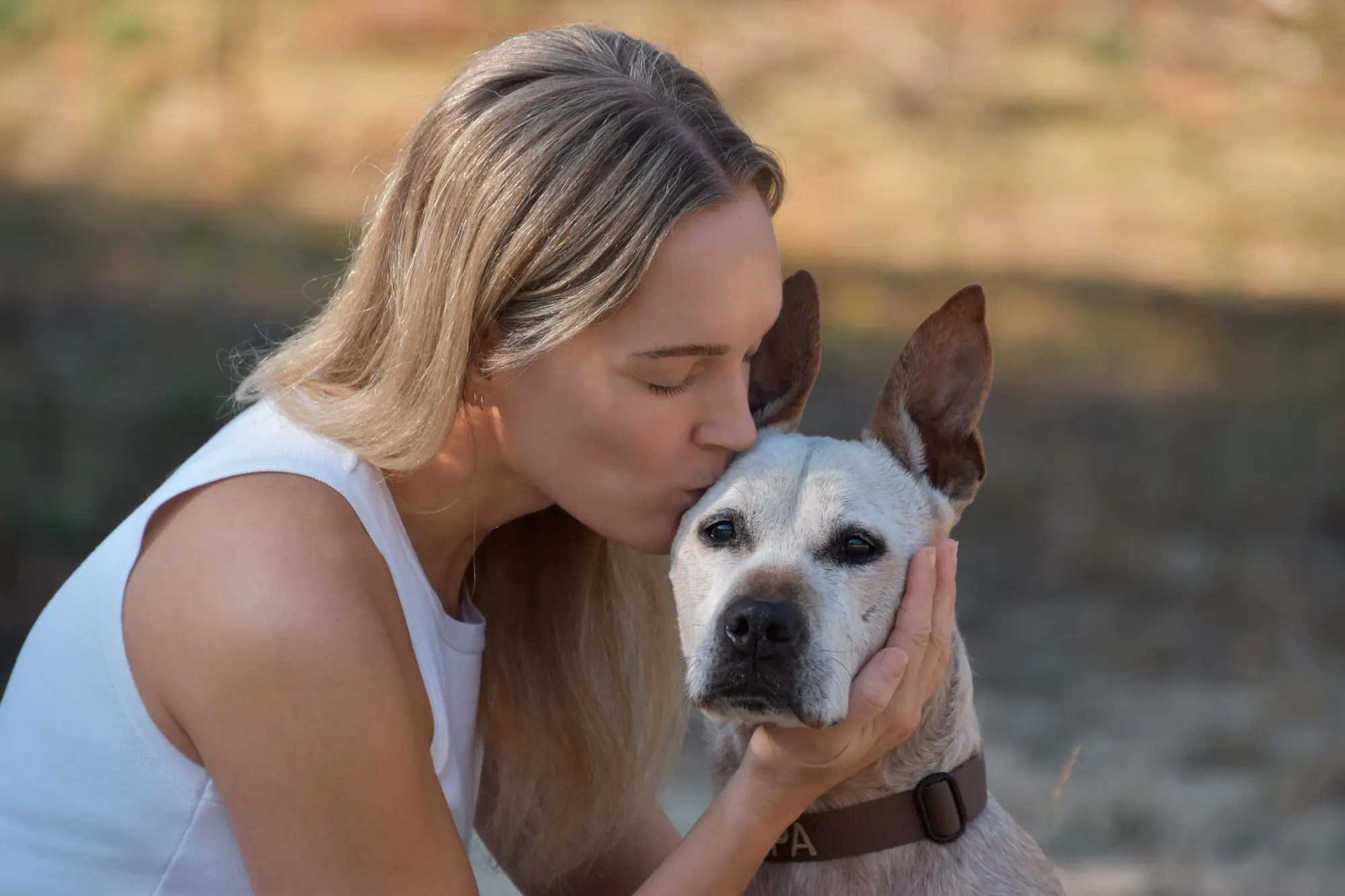
Through her Instagram account @sannejjj, Sanne shares her life with dogs and her ongoing commitment to animal rescue. For Sanne, animal rescue began with a journey to Brazil in 2011. Confronted with the reality of stray dogs, she began feeding them, spending time with them and offering what kindness she could. A visit to a dog shelter in Thailand soon followed, and helping rescue dogs gradually became part of her travels and, eventually, a central part of her life. Her deepest connection to rescue came through Pipa, a senior dog found on the streets at around 13 years old. What followed was six beautiful years together, filled with walks in the woods, swimming, quiet afternoons in the sun and the simple comfort of sharing everyday life. Pipa changed the way Sanne understood ageing, rescue and the preciousness of time.
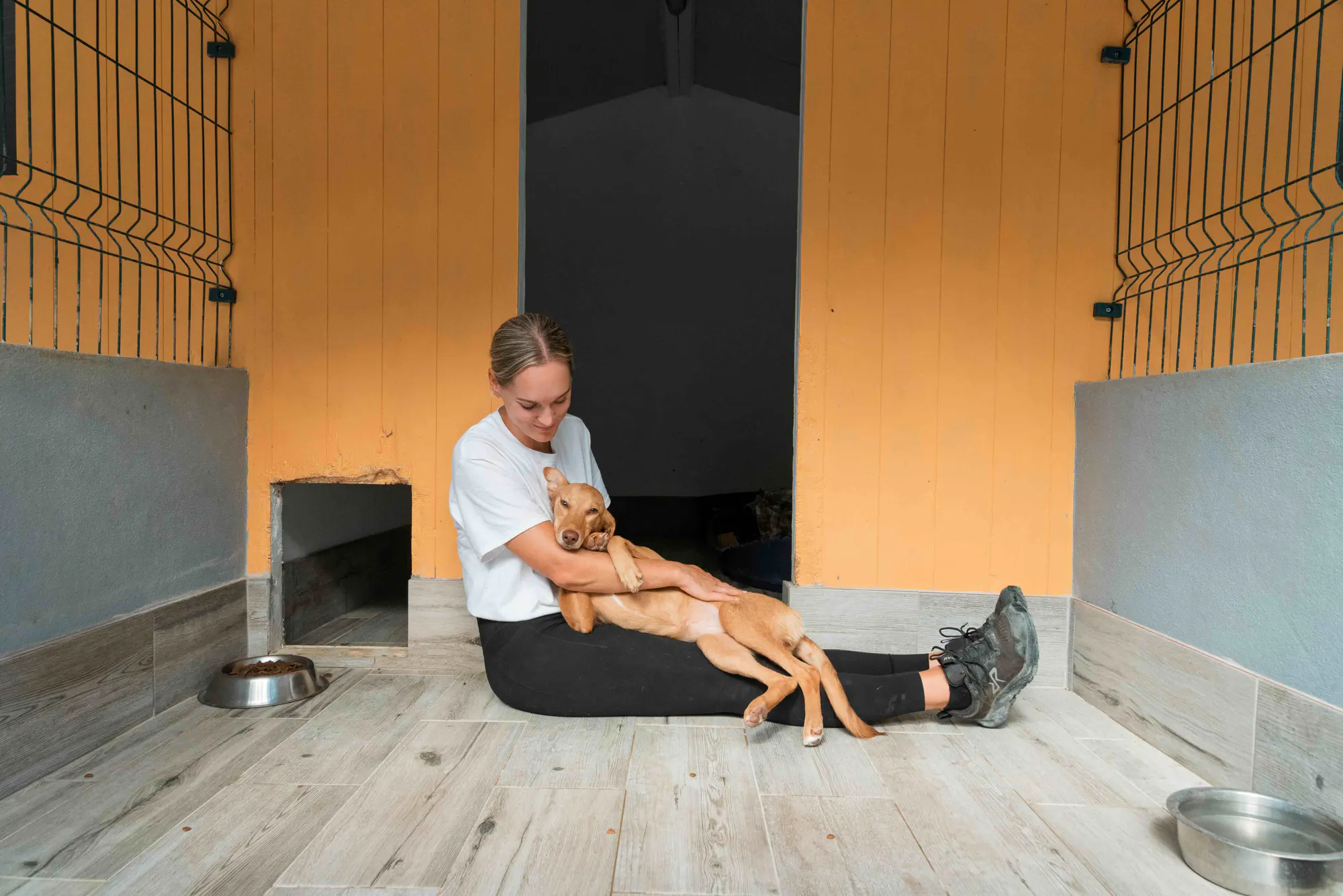
How did your journey into animal rescue begin?
Sanne: “Our journey started back in 2011, during our first long-distance trip to Brazil. That’s where we were confronted with the heartbreaking reality of stray dogs. We spent a lot of time feeding them, connecting with them and offering kindness. That experience really changed something in us. It gave us a sense of purpose. Shortly after, in Thailand, we visited our first dog shelter. We walked the dogs, socialised with them and took them to the beach. Since then, helping rescue and stray dogs became a part of our travels. And now we’ve been volunteering in shelters and helping stray dogs as much as we can.”
Was there a particular dog or experience that changed the way you looked at rescue forever?
Sanne: “It would have to be Pipa. After seeing how many older dogs in shelters were waiting for a home and were often overlooked, we decided that we wanted to adopt a senior dog. That’s when Pipa came into our lives. She had been found on the streets at an estimated age of 13, and from the very first moment she arrived, she trusted us completely. The world outside our home was very overwhelming for her, but over the years, with our support and her trust in us, she overcame so many of her fears. Seeing how much she was able to overcome made me realise just how much a rescue dog can still experience and enjoy, even when they are already older.”
Rescue has also taught me that people are capable of incredible compassion, and that even a small act of kindness can make a huge difference in an animal’s life.
What has animal rescue taught you about dogs and about people?
Sanne: “Working in animal rescue has taught me that a dog’s behaviour is often a reflection of what they have experienced, rather than who they are. I’ve learned to look beyond the behaviour and understand what might be happening underneath it. A fearful, reactive or withdrawn dog may not be a ‘difficult’ dog at all. Their nervous system may simply be overwhelmed or constantly on alert because they don’t feel safe. When a dog finally feels safe, their behaviour can change completely. That has taught me how closely connected safety, the nervous system and behaviour really are. Most of all, I’ve learned that dogs are incredibly resilient. With time, patience and a safe environment, they can show you a completely different side of themselves. Every dog has their own personality and their own story. Rescue has also taught me that people are capable of incredible compassion, and that even a small act of kindness can make a huge difference in an animal’s life. Over the years, I’ve seen people from completely different backgrounds come together for the same reason: to help an animal in need. Every person contributes in their own way, and together, those small acts can completely change an animal’s life.”
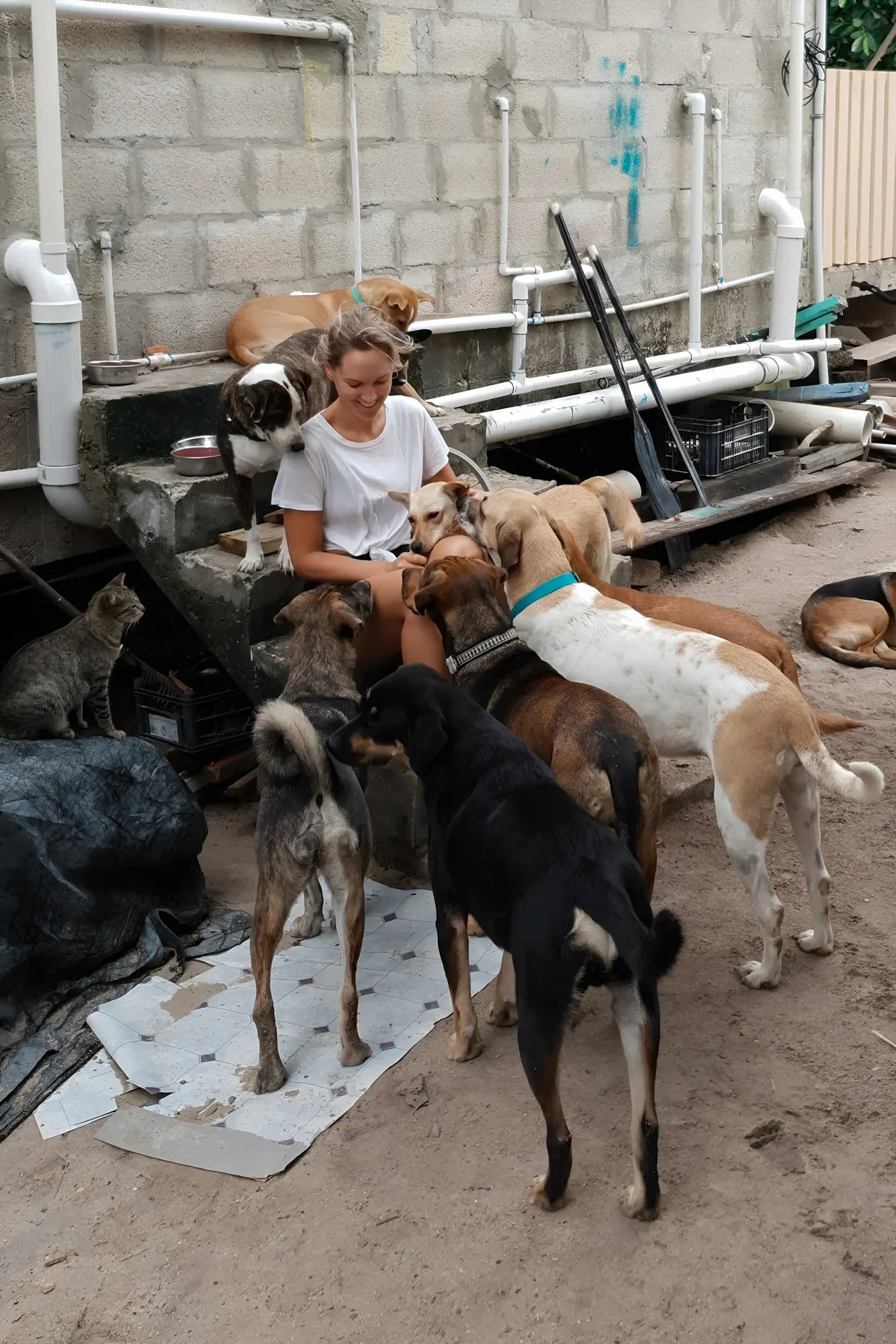
What do you think people often misunderstand about rescue dogs?
Sanne: “I think one of the biggest misconceptions about rescue dogs is that there is something wrong with them, that they are difficult to handle, have behavioural problems, or are somehow ‘broken’ because of their past. Of course, some rescue dogs have experienced trauma and may need extra patience, understanding or support. But that doesn’t mean they will always have behavioural problems, and it certainly doesn’t mean there is something wrong with them. And these challenges aren’t exclusive to rescue dogs. Even a puppy who is bought from a breeder can develop behavioural issues or need extra support. It honestly makes me sad that this misconception can stop people from choosing a rescue dog. There are so many wonderful dogs in shelters who are loving, affectionate and simply waiting for someone to give them a chance.”
Seeing an animal’s life change completely makes every difficult moment worth it.
What has kept you motivated to continue helping animals, even when the work can be emotionally difficult?
Sanne: “The work can be incredibly painful. There are moments when my heart feels completely broken. Sometimes it’s overwhelming. But then you see a dog who was almost dying slowly come back to life, and suddenly you realise they’re going to make it. Or a dog who was once scared of people, and after so much patience and time, finally wags his tail when he sees you. Or you see a dog who has been waiting in the shelter for years finally get the life they always deserved, and you get to see how happy they are. Those moments are what keep me going. Seeing an animal’s life change completely makes every difficult moment worth it.”
What makes senior dogs so incredibly special to you?
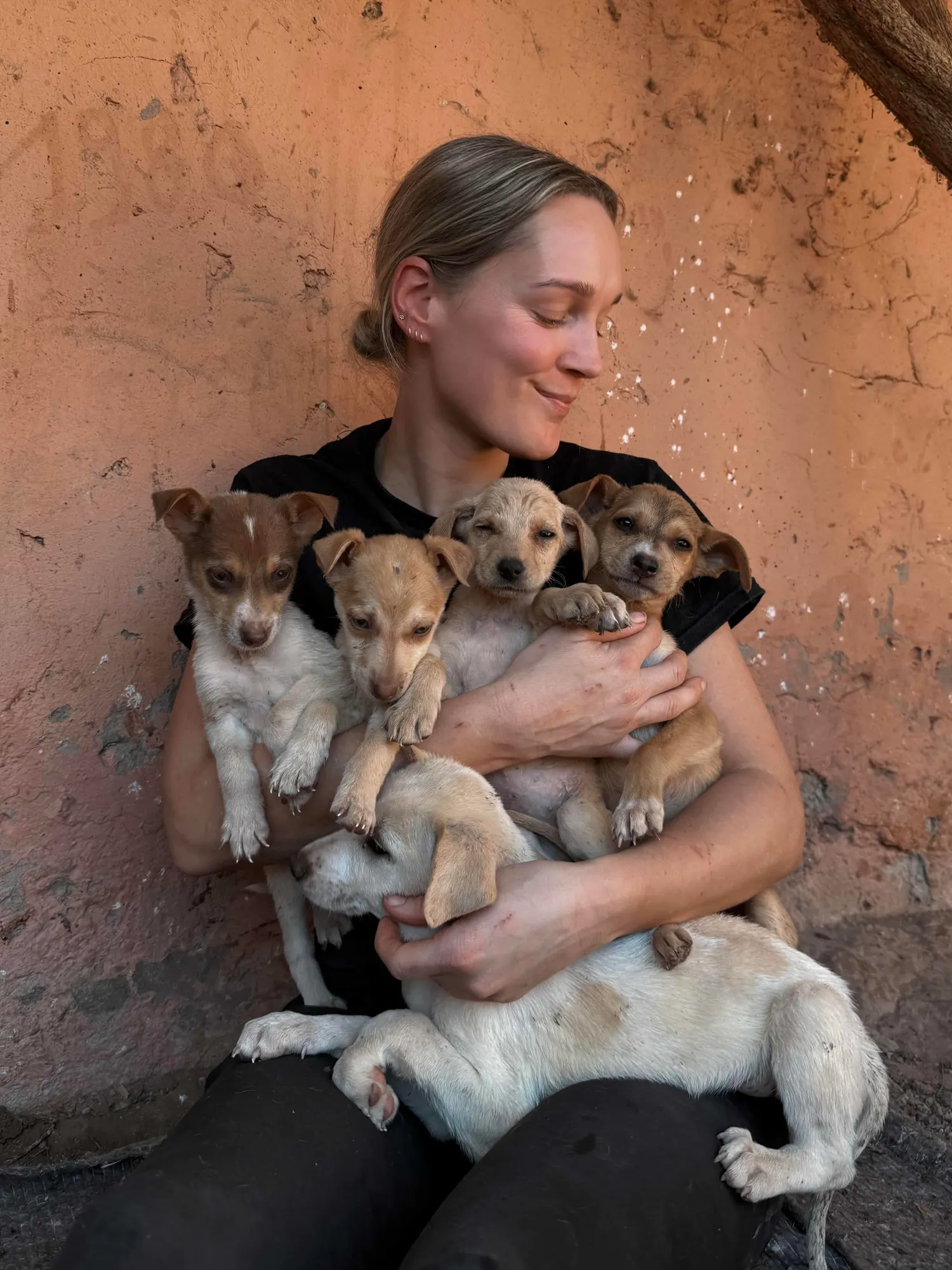
Sanne: “It’s because they are so often overlooked simply because of their age, and that feels incredibly unfair to me. When I look at an older dog, I don’t see how many years they have left. I see how much love they still have to give, and how much they deserve to feel safe, loved and cared for. No dog deserves to go through life without ever knowing the love and warmth of a home. I also love the calmness that comes with older dogs. There is something incredibly special about the bond you can build with an older dog.”
Why do you think senior dogs are so often overlooked in shelters and rescues?
Sanne: “I think a big reason is that people are immediately drawn to puppies and younger dogs. When they see a puppy, they think about all the years they could have together. With a senior dog, people often think about how much time they have left instead. People also sometimes think that older dogs will be sick, have health problems, or that they won’t bond as strongly with a new family. I find it really sad that people can miss out on such a special bond simply because of a dog’s age.”
What would you say to someone who is afraid to adopt a senior dog because they worry they won’t have enough time together?
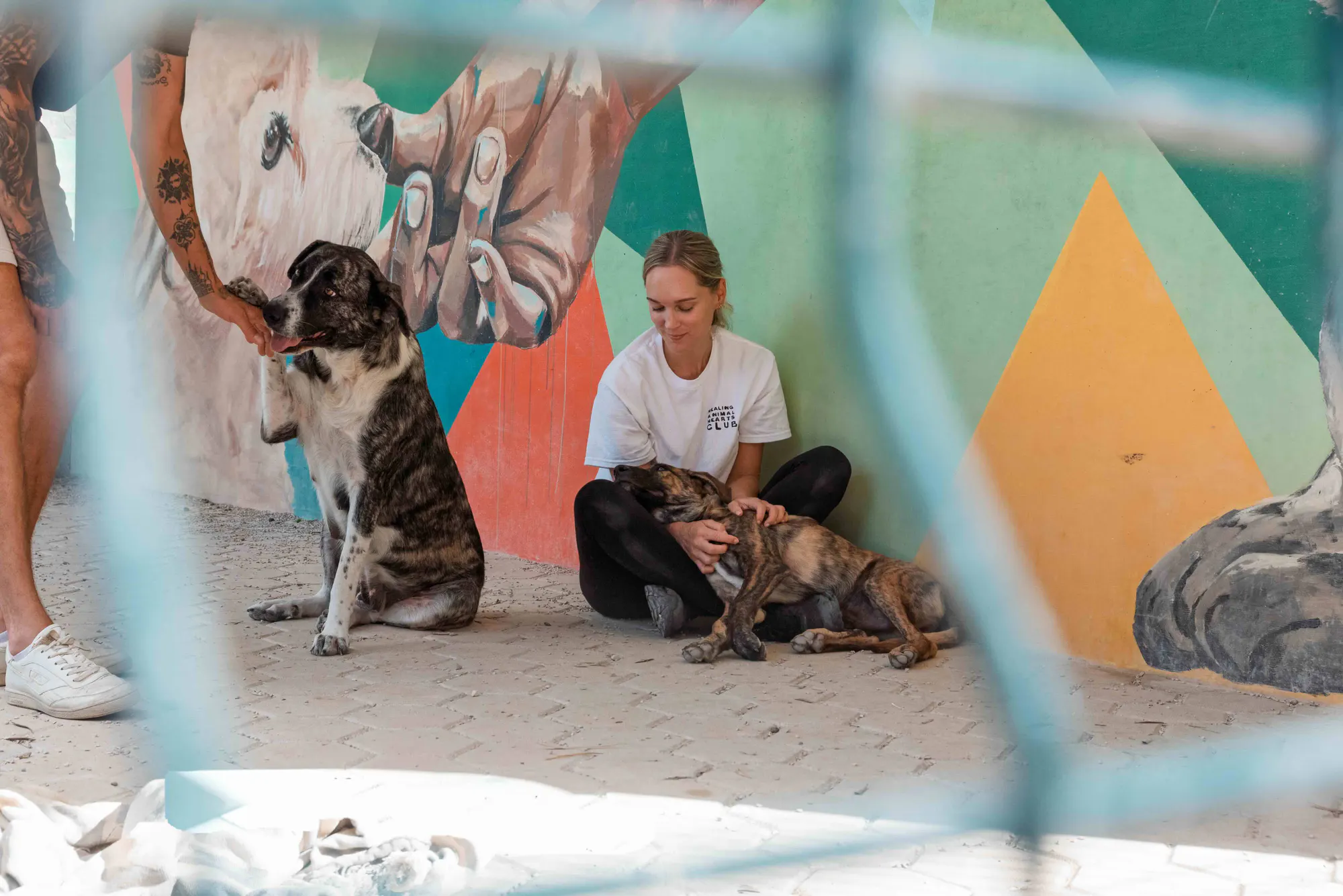
Sanne: “I completely understand that fear, because when you adopt a senior, you know that you may have less time together. But the truth is, we never really know how much time we have with any dog. When we adopted Pipa, she was 13 years old. We had no idea how long we would have with her. It could have been months, or maybe a year or two. But we knew one thing: whatever time we had, we were going to give her everything we could. We wanted her to finally know what it felt like to be safe, to be loved and to be cared for. We wanted to fill whatever time she had left with as much love as possible, and give her the life she had always deserved. And then, completely unexpectedly, we got six beautiful years with her. Don’t let the fear of losing a dog stop you from giving them a chance. Yes, saying goodbye to a senior dog is incredibly painful. But I would never choose to have missed those six years with Pipa just because I was afraid that they might not last long enough. For me, it’s not about how many years you get. It’s about what you give those years. If you can give a senior dog even a few years, a few months, or even just the time they have left knowing they are deeply loved and finally have a home, you have given them something they may have been waiting their whole life for. And I honestly believe that is worth every moment, even when saying goodbye hurts more than you could ever imagine.”
Do you think the bond with a senior dog is different from the bond you might have with a puppy or younger dog?
Sanne: “I don’t know if I would say the bond is necessarily different. I think every dog is different, and you can have a really strong bond with a dog of any age. But I do think there can be something different about the way you experience that bond with a senior. You become more aware of how precious your time together is, so you appreciate the little things even more. There is also something very special about gaining the trust of an older dog. They already have their own personality and their own way of doing things, and when they start to trust you and let you into their world, it feels very special. So I wouldn’t say the love is different. It can be just as deep. I think you just become more aware of how precious that time together really is.”
What would you say to someone who believes adopting a senior dog is too difficult?
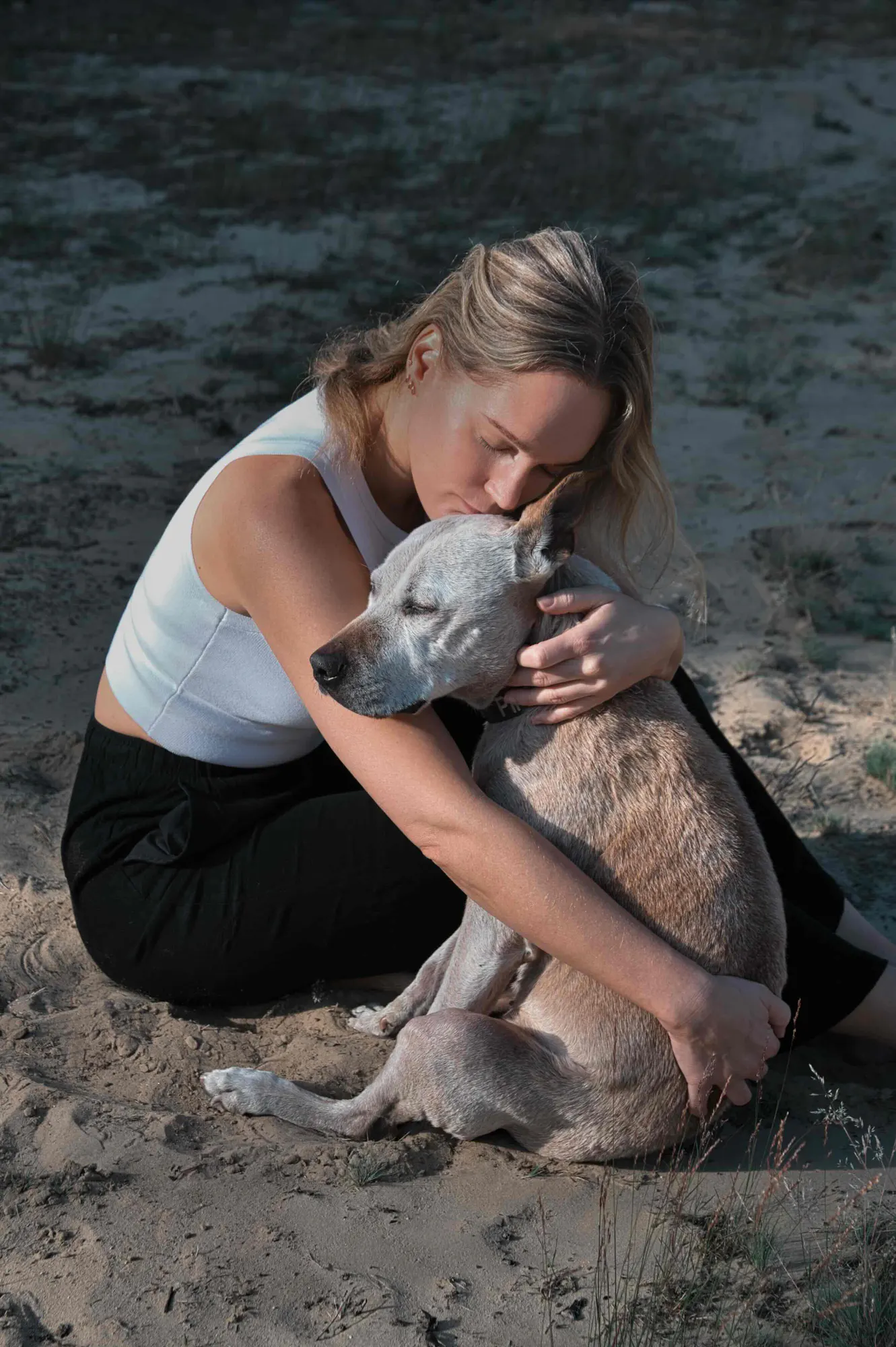
Sanne: “Being a senior dog doesn’t automatically mean being difficult or needing a lot of care. Some older dogs may need medication, more regular vet visits, or a little extra help, and that is something you should be prepared for. But every dog is different. Some senior dogs don’t need any medication at all and are completely healthy. They can be very calm, easy-going and happy with simple things like a comfortable bed, a walk and lots of love. And if you are thinking about adopting a senior, you can always tell the shelter what you are looking for. Maybe you want a healthy dog who can still go on longer walks, or maybe you are looking for a calm dog who is happy with a quieter life. Or maybe you are the kind of person who would actually love to give a dog with health problems a chance.”
Everyday life with Pipa taught me to slow down and really live in the moment. And I learned from her to appreciate little moments instead of always looking ahead.
What did everyday life with Pipa teach you to appreciate?
Sanne: “Pipa was always with me. She came to work with me and would sleep under her blanket while I was working, but she would always wake up when a client came in to say hello. We went to the woods three times a day, and those walks were some of our favourite moments. She loved swimming and carrying sticks, and we played together throughout the day. Even though she was a senior dog, she still had such a playful side. And then there were all the quiet moments. Pipa loved lying in the sun in the garden, curling up under her blanket on the sofa during the day, and at night she would climb into our bed and sleep under the duvet. Everyday life with Pipa taught me to slow down and really live in the moment. And I learned from her to appreciate little moments instead of always looking ahead. Sometimes, it is enough to be there, in that moment, and appreciate that the one you love is happy and right beside you.”
How do you make peace with knowing that your time with a senior dog may be shorter?
Sanne: “I remind myself that I can’t control how much time I have with a dog. What I can control is how I spend that time. I try not to think too much about how many months or years we might have left. Instead, I try to stay in the moment and appreciate the time we have right now. I want to enjoy the moments. When you know that your time together may be limited, you become much more aware of how precious the ordinary moments are. You stop taking them for granted.”
What would you say to someone who is grieving the loss of a dog they loved deeply?
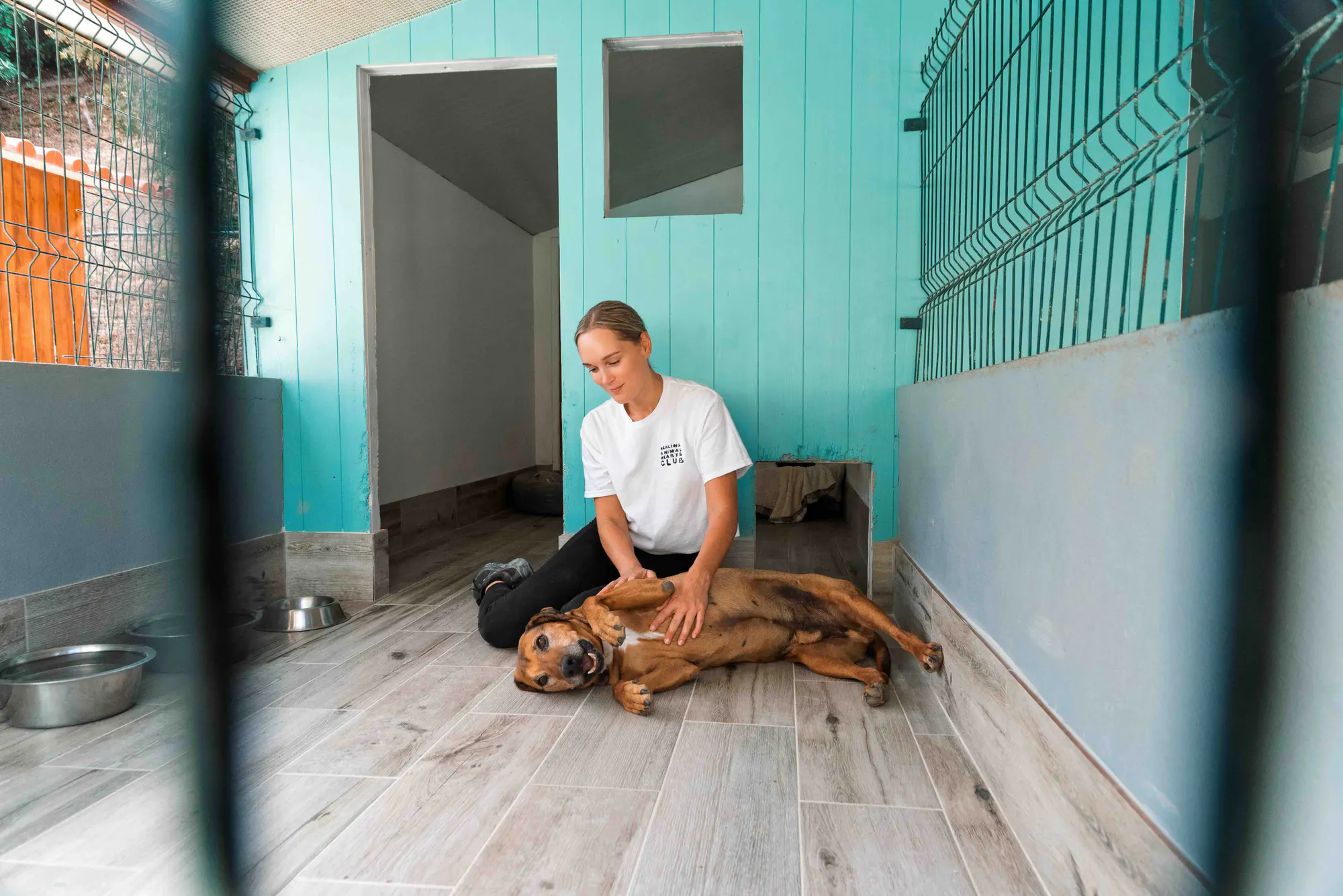
Sanne: “Don’t try to rush through the grief or make yourself stop missing them. There is no right way to grieve and no timeline for it. The bond and love you shared with your dog doesn’t end when their life on earth ends. I believe they stay with us in a different way. Their soul will always be with us. Talk about them and say their name. Look at the photos and let yourself smile at the memories, even when they make you cry. And be patient and kind with yourself.”
If you could change one thing about the way society looks at older and rescue dogs, what would it be?
Sanne: “I wish people would stop judging dogs by their age or their past, and learn to look beyond that. To see the dog for who they really are.”
What do you wish more people understood about giving a senior dog a second chance?
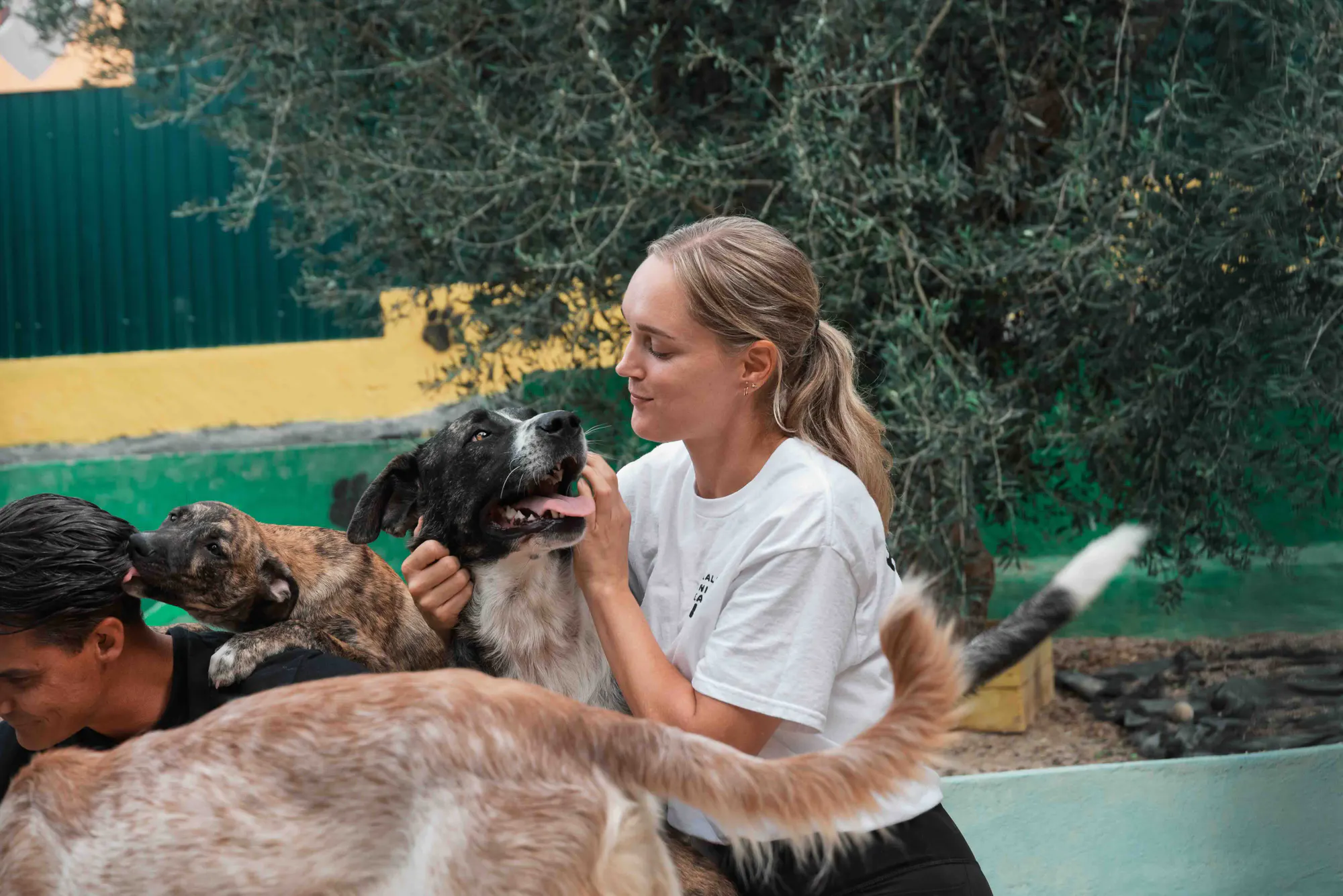
Sanne: “I wish more people understood that by giving a senior dog a second chance, you can give them the last and most beautiful years of their life, the years they have always deserved. You can give them a chance to spend their final years or days in a loving home, rather than spending their last time on earth in a shelter. They still have so much love to give, so much happiness to experience, and so many beautiful moments ahead of them. Their age doesn’t make their life any less valuable, and it doesn’t make the bond you can build with them any less deep.”
What does “rescue” mean to you personally today?
Sanne: “When I first started volunteering, I always had the feeling that I should be doing more. There were so many dogs who needed help, and I felt like whatever I did was never enough. I think that is one of the biggest things that has changed for me over the years. I’ve learned that you can’t do everything. You just have to do what you can. Every bit of help counts. Whether it’s helping one dog, giving them some love and attention, sharing their story, or being there for them. I’ve learned that even the smallest thing can make a real difference in an animal’s life.”
What should someone know before adopting their first rescue dog?
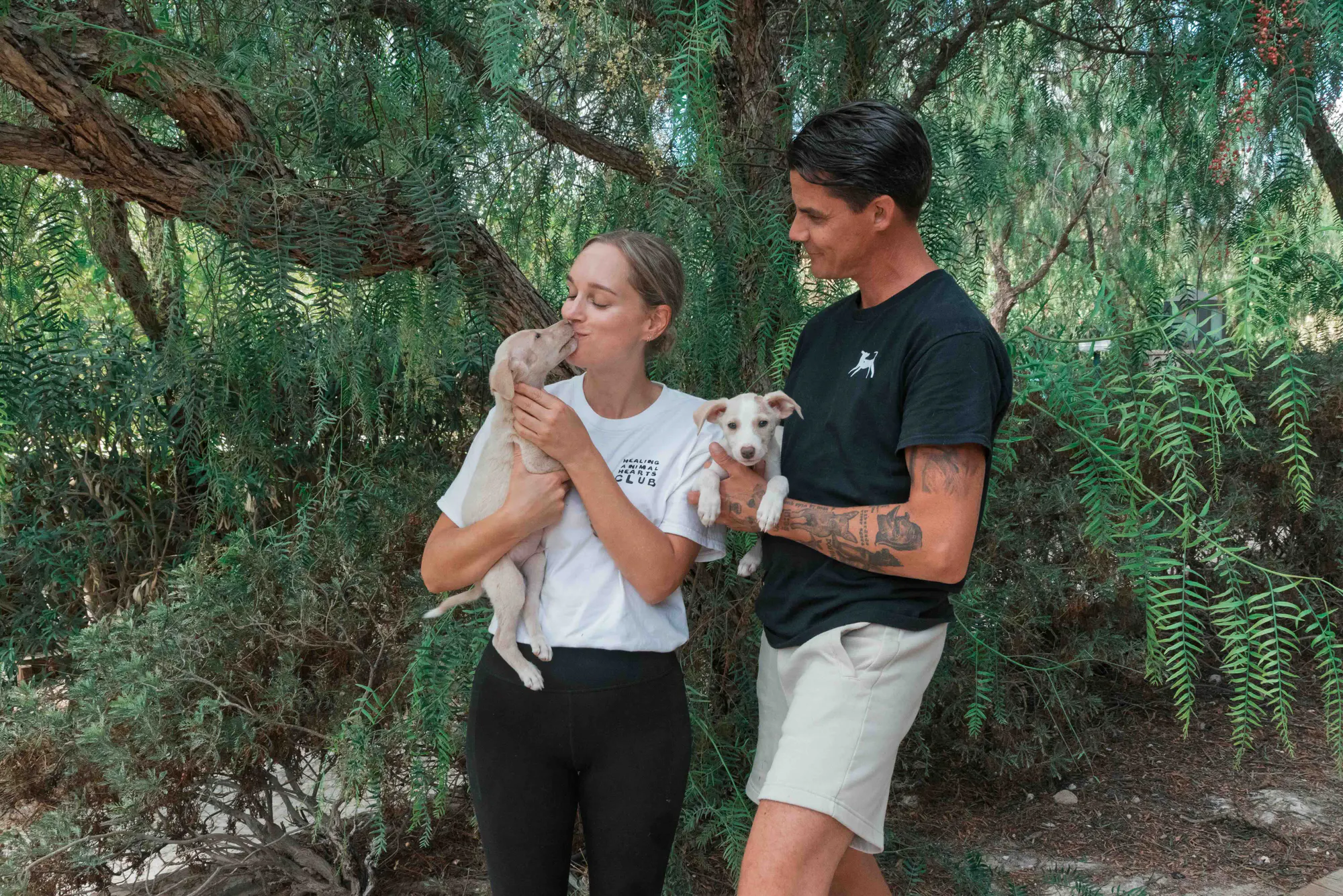
Sanne: “The first step is to really think about what kind of dog fits your life. Think about your lifestyle, your time, your experience and what you can realistically offer a dog. Then, when you meet a dog you connect with, take the time to get to know them. Ask the shelter about their personality, their behaviour and what they know about their past. And once you bring them home, give them time. Everything is new to them, and you may not see their true personality straight away. Most importantly, go into it with an open mind.”
What would you say to the person who walks into a shelter and immediately walks past the older dogs?
Sanne: “I would ask them to stop for a moment and look into their eyes. Don’t just look at their age. Look at the dog in front of you. Look at their personality, and how much love they still have to give. You might walk past an older dog thinking you are saving yourself from heartbreak, without realising that you could be the person who gives that dog the happiest years of their life.”