
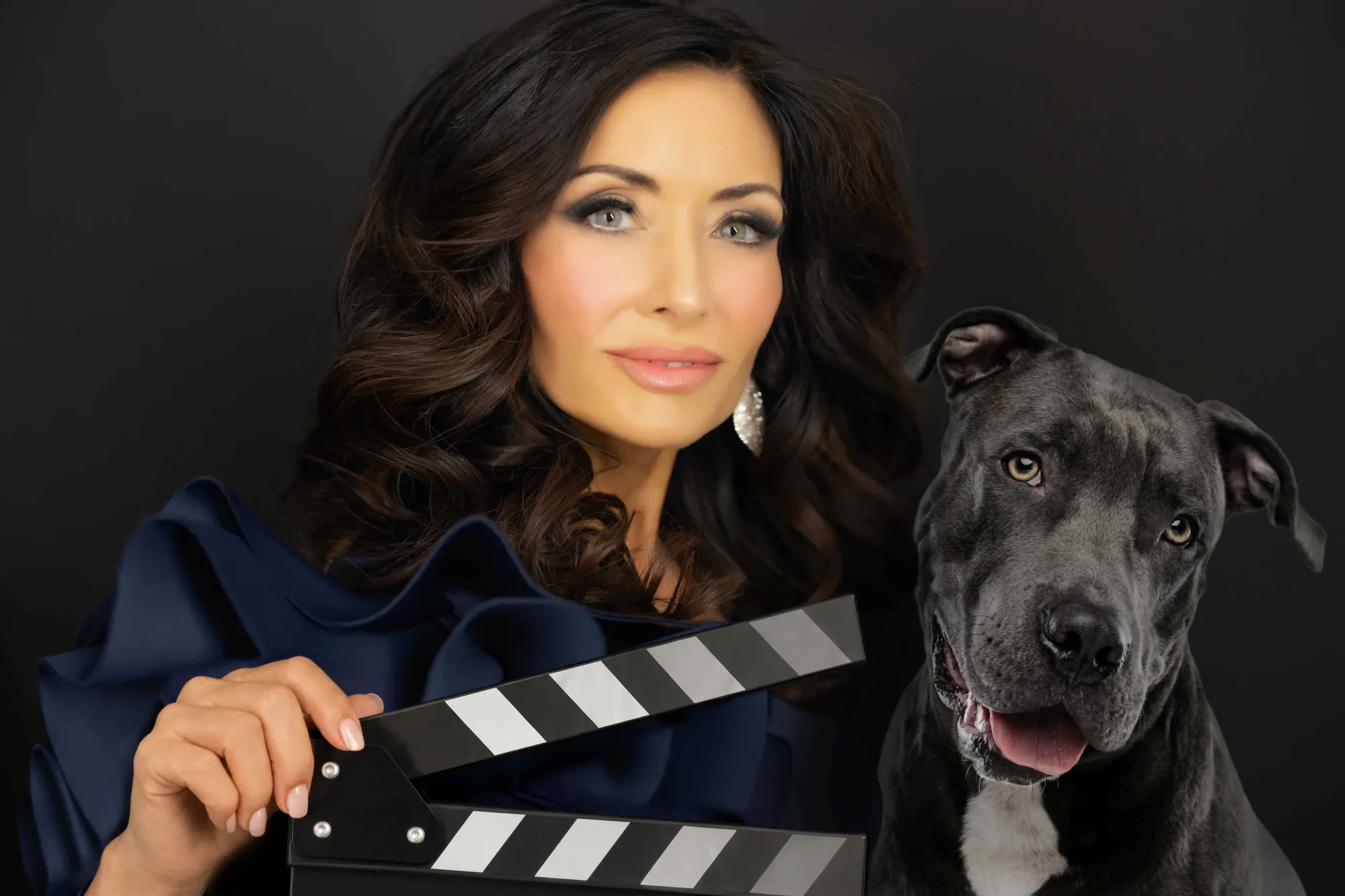
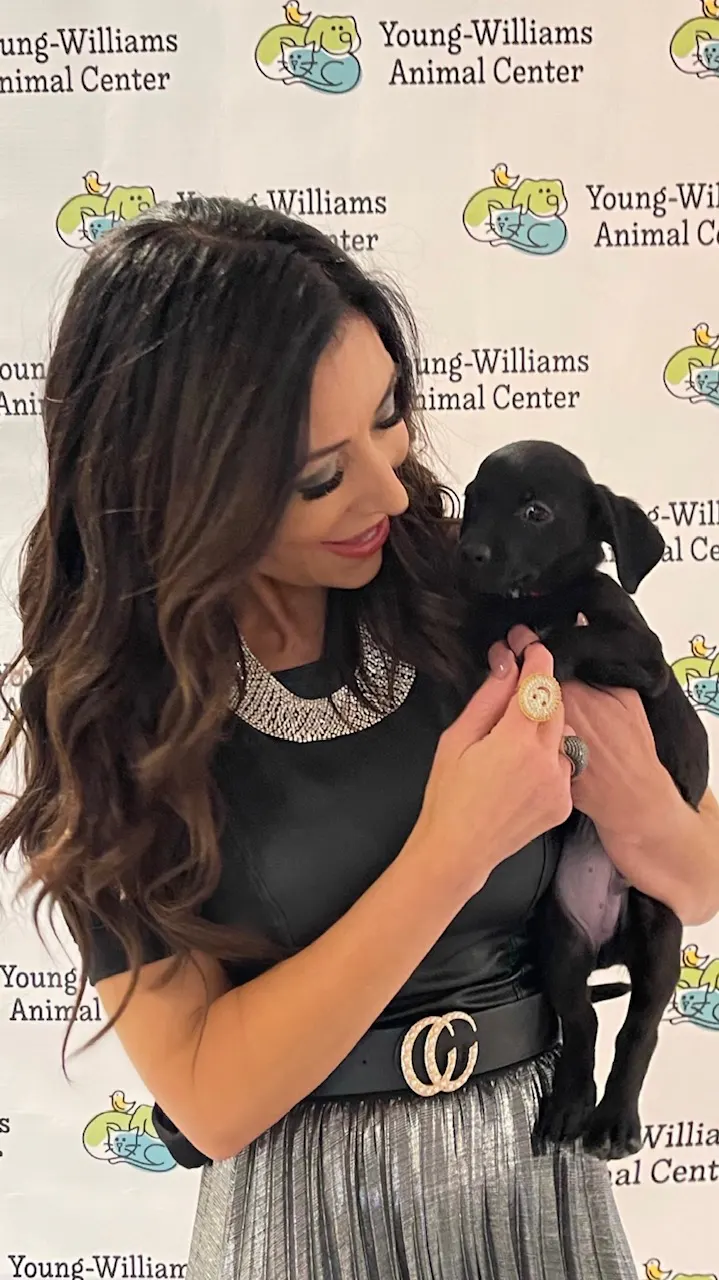
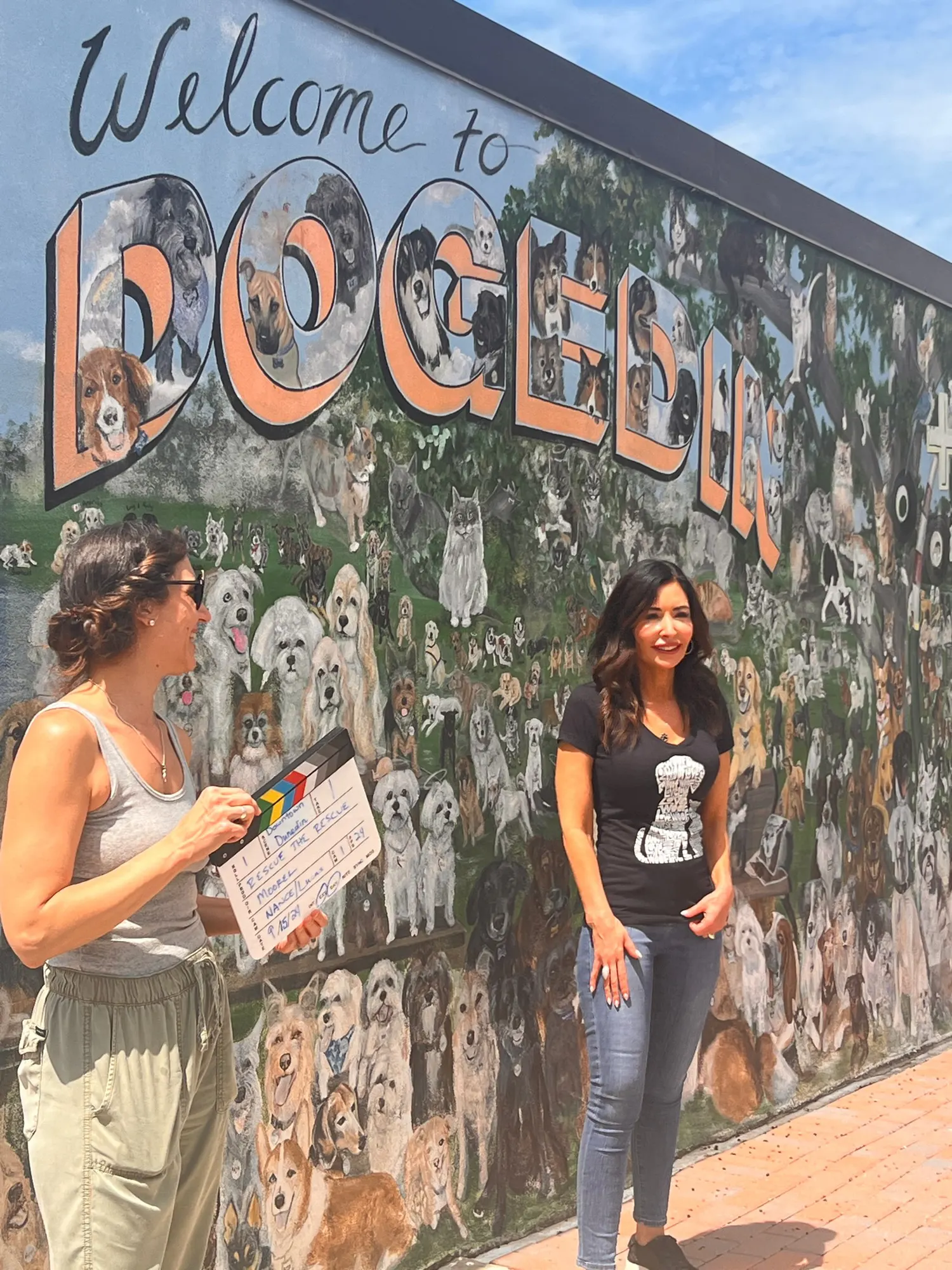
Allyson Spellman has spent much of her career in front of the camera, hosting, producing and telling stories. Today, she is using that experience to give animals and the people who rescue them a bigger voice. Through her work and Beyond the Rescue, she looks beyond the adoption story to the people, challenges and second chances behind it all.
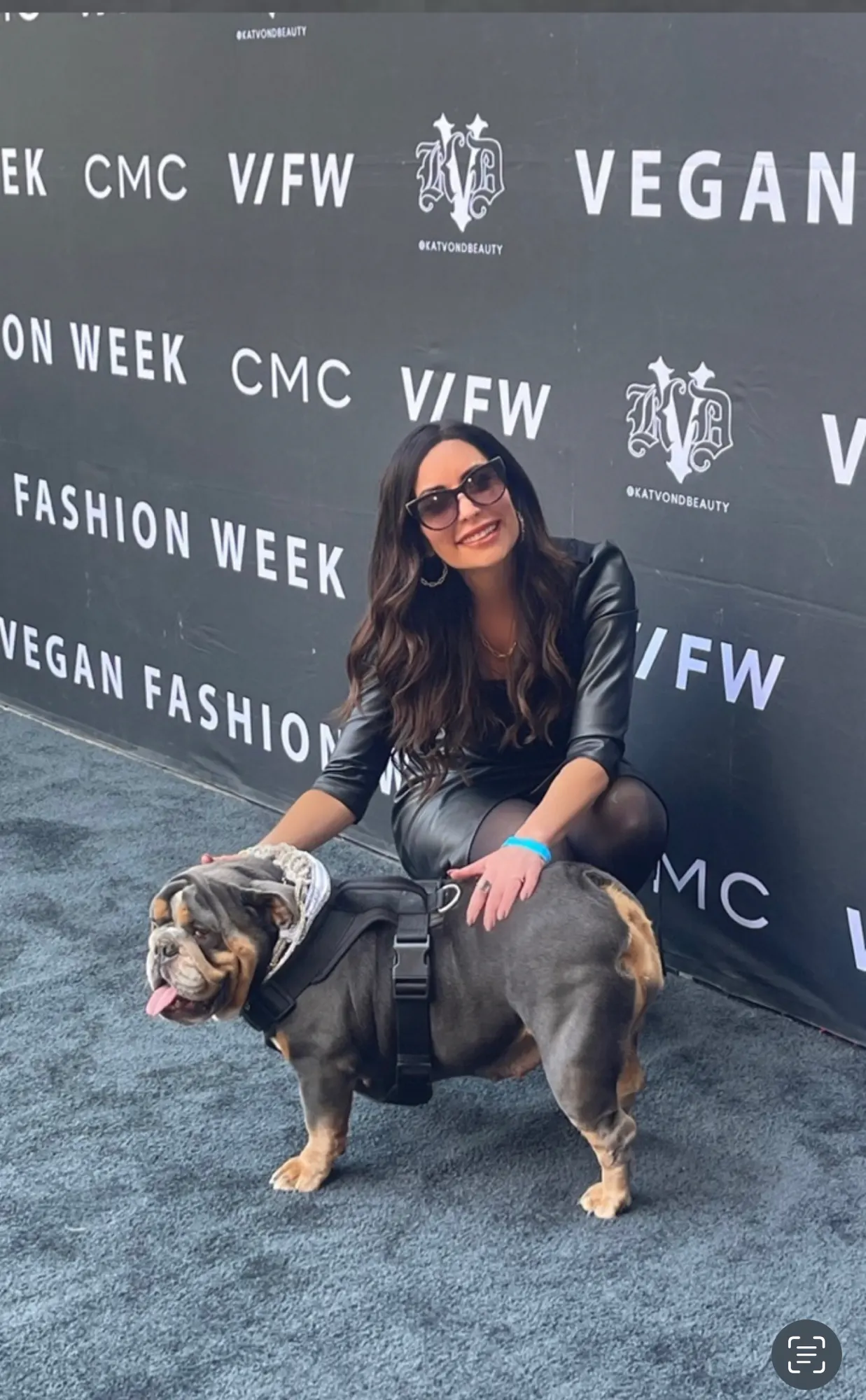
What first sparked your connection with animals, and when did you realise rescue was something you wanted to dedicate yourself to?
Allyson Spellman: "I’ve loved animals my entire life. That’s always been a part of me. But at some point, loving animals became something more. I started seeing how many were being overlooked, abandoned or simply didn’t have anyone fighting for them, and I knew I wanted to do something. Then I realised I already had something I could use: my voice and my platform. I’ve spent most of my career on camera, talking to people and telling stories. I realised I could use those skills for something that really mattered to me. I could introduce people to these animals, tell the stories of the people doing the work and hopefully make somebody watching want to do something. That’s when it became more than something I cared about. It became part of what I feel like I’m supposed to be doing."
Being on camera gave me a voice. Animal advocacy gave me a reason to use it.
Is there one dog that changed the way you see rescue forever?
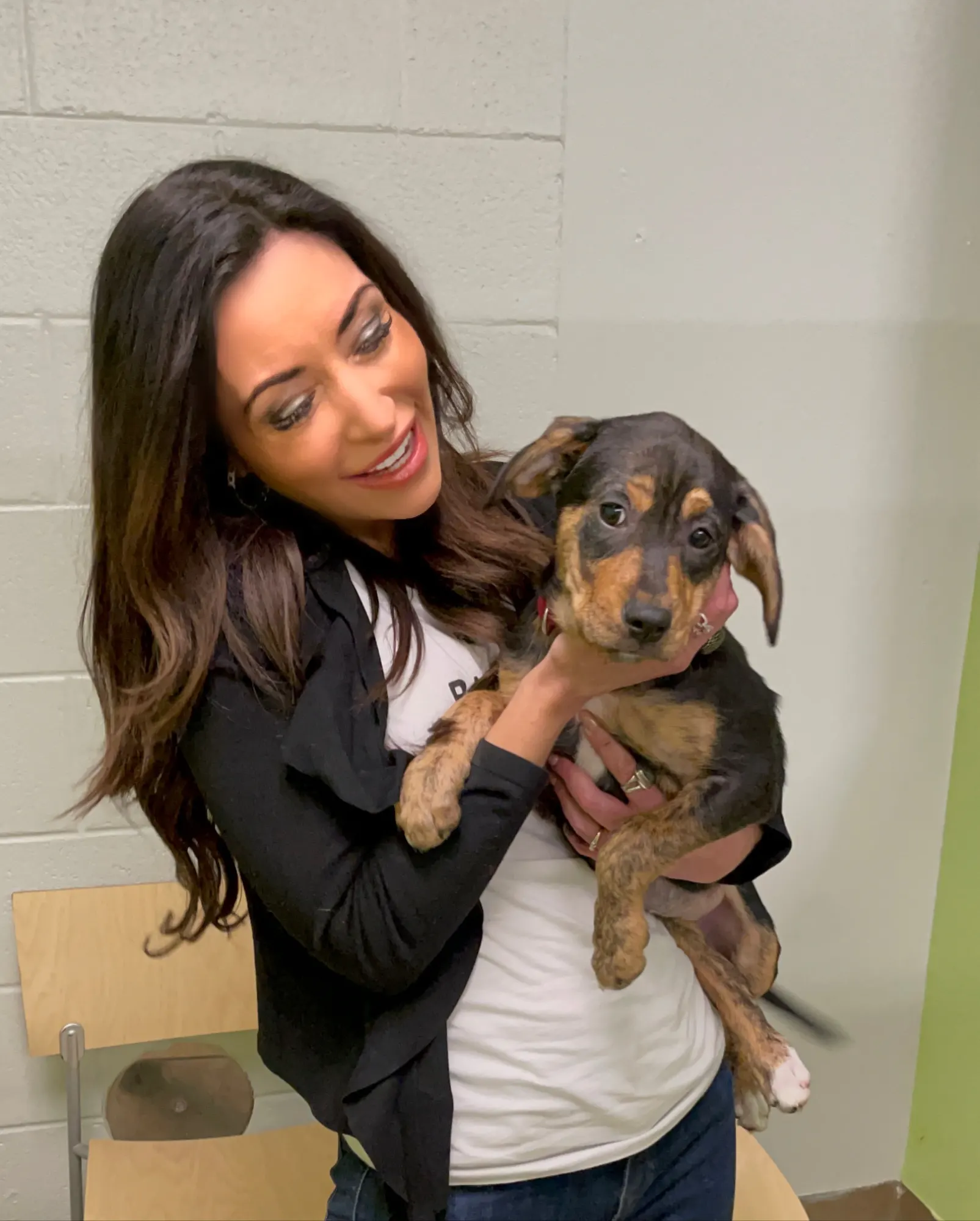
Allyson Spellman: "There have been so many. Honestly, I think pieces of all of them stay with you. The dogs that affect me most are the ones who have every reason in the world not to trust people anymore, and somehow they still do. They’ve been neglected or abandoned or treated terribly, and yet they’ll still come over to you. They’ll still wag their tail. They still want love. That gets me every time. It’s taught me not to look at a rescue animal and think only about what happened to them. I want to know: what happens next?"
Rescue work can be incredibly rewarding, but also heartbreaking. How do you cope when you can’t save everyone?
Allyson Spellman: "This is probably the hardest part for me because I do want to save all of them. And you can’t. But I try to take that feeling and do something with it. Who can I help next? Is there a story I can share? Is there somebody I can call? Is there a connection I can make? I can’t save every animal. But I also don’t want that reality to ever become an excuse to stop trying for the next one."
I don’t want to define an animal by the worst thing that ever happened to them.
What has been the most difficult rescue situation you’ve experienced, and what did it teach you?
Allyson Spellman: "The hardest ones are always the cases where you see what people have done to an animal. Those are the ones I have trouble getting out of my head. But I’ve also seen animals come out of horrible circumstances and completely transform. That’s taught me not to define an animal by the worst thing that ever happened to them. It has influenced the way I tell their stories, too. I don’t want to only show people the horrible part. That’s important, but it’s not the entire story. I want people to see what happens when somebody steps in. I want them to see the healing, the transformation and the life that animal can still have."
What keeps you going when you’re confronted with so much suffering?
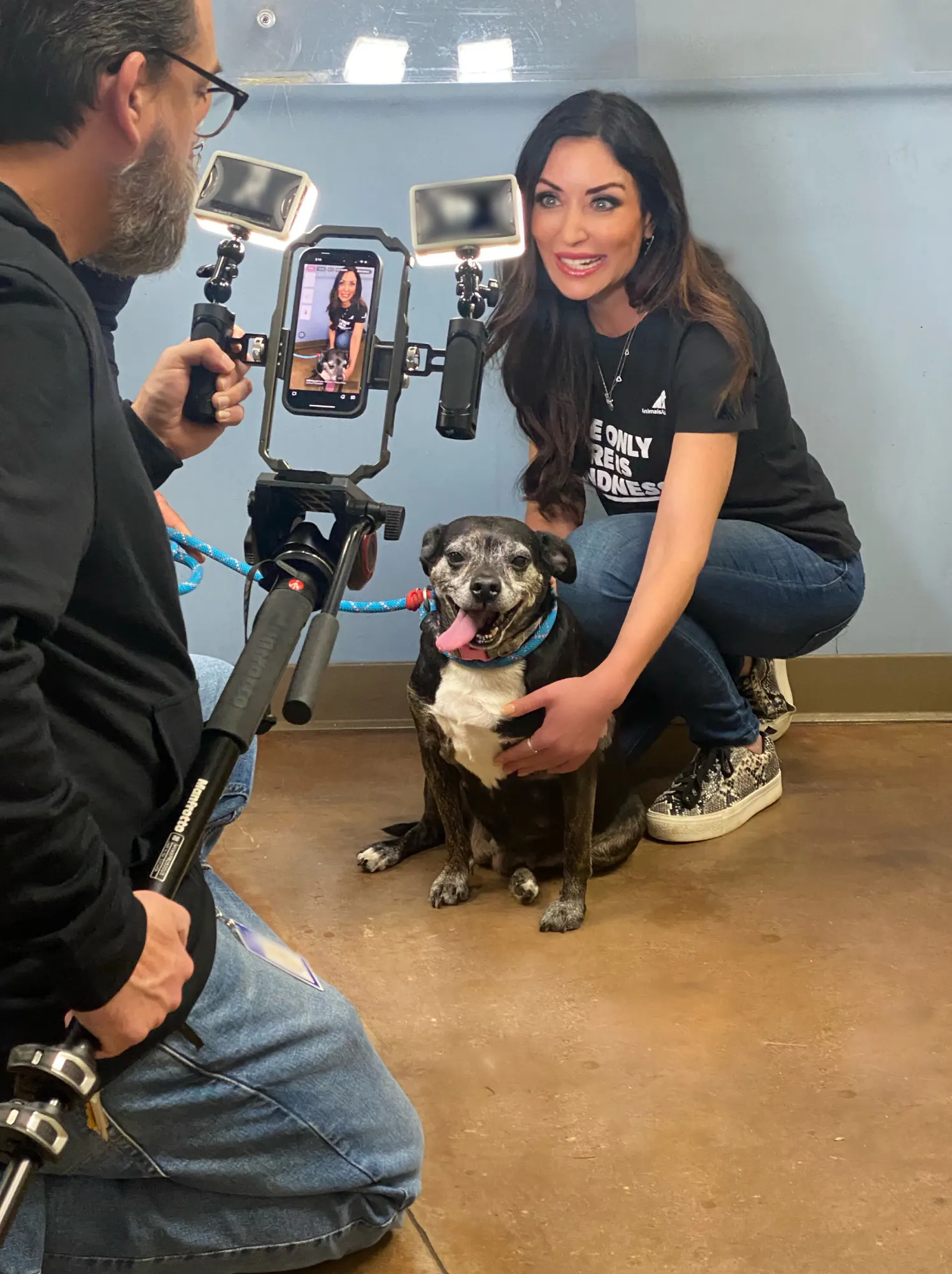
Allyson Spellman: "The happy-ever-afters. Absolutely. Seeing a dog get adopted. Watching a scared animal start trusting people again. Hearing from somebody who adopted a rescue and says, “This dog changed my life.” And I’m constantly inspired by the people doing this work every single day. Shelter workers, volunteers, fosters, rescuers. They’re tired, they’re stretched thin, and they keep showing up. That makes me want to keep showing up, too. Because I have a platform, I can shine a light on what they’re doing. Sometimes just getting the right story in front of the right person can change everything for an animal."
How important is it to choose a dog based on personality and lifestyle rather than appearance?
Allyson Spellman: "So important. Of course people are initially drawn to what a dog looks like. We all do it. But that doesn’t mean that dog is necessarily the right fit for your life. Are you active? Are you home a lot? Do you have kids or other pets? Do you want a dog who’s going to hike with you, or one who’s perfectly happy lying next to you on the couch? You’re not just choosing a dog. You’re choosing a relationship that hopefully is going to last for years. The best match isn’t always the dog you first noticed when you walked in."
I never want an animal’s suffering to become entertainment.
What would you say to someone who assumes adopting a puppy is always easier than adopting an adult rescue dog?
Allyson Spellman: "Oh my gosh, puppies are adorable, but puppies are work! I think people sometimes assume a puppy is going to be easier because they’re starting from the beginning. But with an adult dog, you often already know so much more about them. You have a better idea of their personality, their energy level and what kind of home they need. And there’s just something about an adult or senior rescue realising they’ve been chosen. I wish more people would walk into shelters with an open mind. The dog they might normally walk right past could end up being the absolute love of their life."
You work as a host, producer and digital creator. What makes an animal rescue story worth telling?
Allyson Spellman: "This is really where everything comes together for me. I’ve spent years on television and in front of a camera. I’ve interviewed people, hosted shows, produced stories. That’s what I know how to do. At some point I realised, why wouldn’t I use that for the thing I care about the most? I don’t think a great rescue story is just, “Here’s a sad dog. Feel bad.” I want people to understand the whole story. Who is this animal? What happened? Who stepped in? What did it take to save them? Who are these people doing this work? And what can somebody watching actually do to help? I want people to feel something, obviously, but more importantly, I want them to do something. That’s what I think my role can be: using what I know how to do on camera to bring people into these stories and hopefully turn that attention into action."
Is there a story you felt absolutely had to be told?
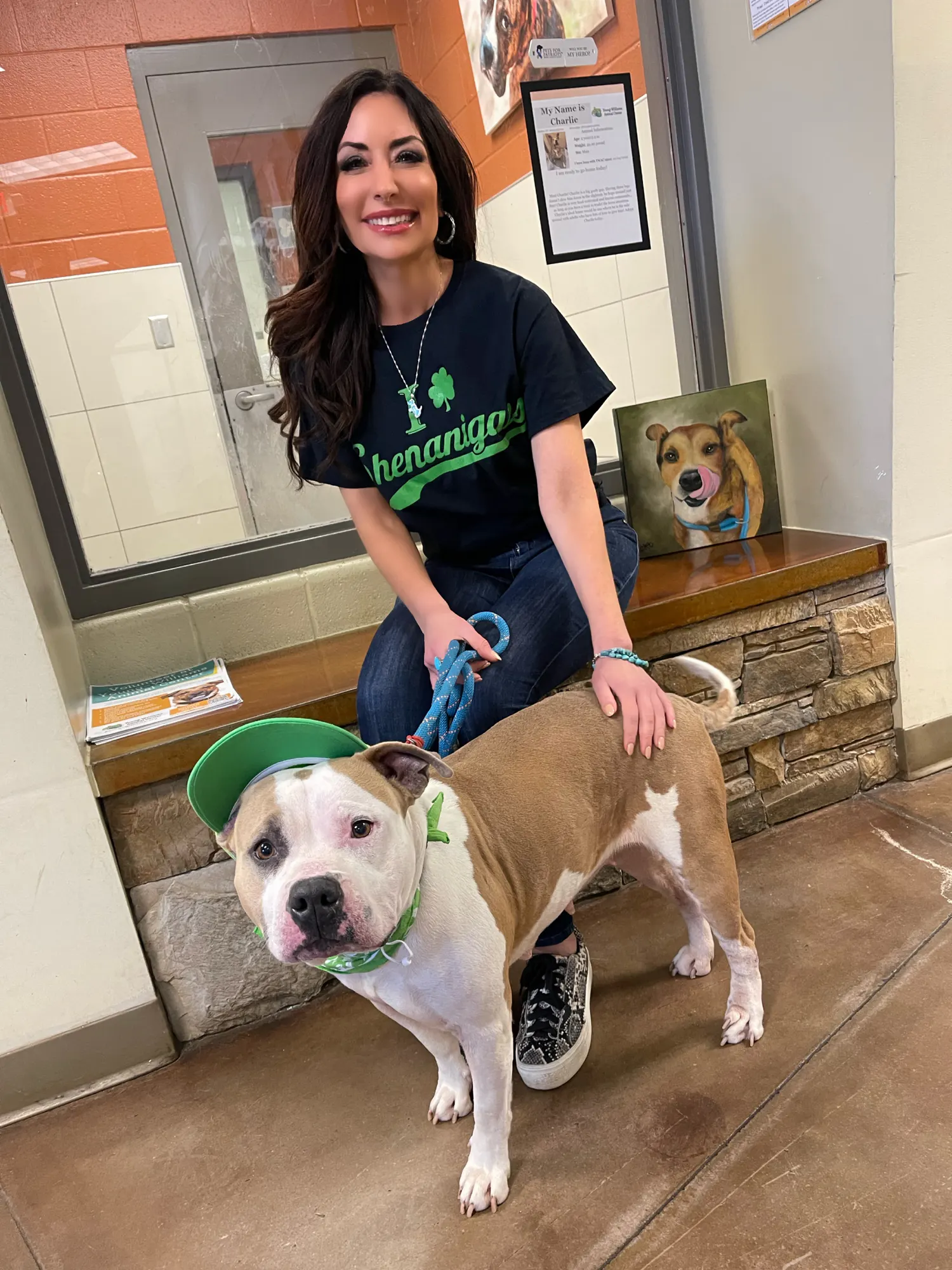
Allyson Spellman: "Yes. And I’m especially drawn to the stories people don’t know about. There are organisations doing incredible work that don’t have huge budgets or fancy facilities. Nobody knows their names, but they’re out there saving animals every single day. And then you have the animals themselves. The older dog. The scared dog hiding in the back of the kennel. The dog who doesn’t show well when somebody walks past. Those are the stories I want people to see. That’s a huge part of why I’m doing Beyond the Rescue. I don’t just want to say, “Here’s a dog who needs a home.” I want to go beyond that. I want people to see what happens behind the scenes: the people, the sacrifices, the medical care, the training, the community programmes, the struggles and ultimately the transformations. There is so much more to rescue than what most people ever see."
Social media has enormous potential for animal rescue. Where do you see the biggest opportunity and the biggest danger?
Allyson Spellman: "The opportunity is incredible. One video can completely change an animal’s life. You can take a dog sitting in a shelter that nobody knows exists and suddenly thousands of people know their name and their story. That’s incredibly powerful. But there’s another side to it. I never want an animal’s suffering to become entertainment. Before I post something, I think the question has to be: Is this actually helping the animal? Or am I just putting something upsetting online because I know people will react to it? There’s a big difference."
Success would be needing fewer shelters.
How can creators raise awareness without turning animals or their suffering into content?
Allyson Spellman: "Remember that there is an actual animal at the centre of the story. You can show the reality. I actually think we need to show some of the difficult things because otherwise people don’t understand what’s happening. But you don’t have to exploit an animal to make somebody care. Give people context. Tell them what happened. Show them who’s helping. Show the progress. And most importantly, give people a way to do something. If I’m going to use an animal’s story on my platform, I want something positive to come from it."
Which professional accomplishment means the most to you personally?
Allyson Spellman: "I’ve been really fortunate in my career. I’ve worked in television for years, had opportunities I’m incredibly grateful for, and I’m very proud of the three Telly Awards I’ve received for my animal advocacy work. But I think what means the most to me is that I’ve figured out how to take what I’ve spent my career doing and use it for something that matters so much to me personally. Being on camera gave me a voice. Animal advocacy gave me a reason to use it. If something I post or a story I tell helps one animal get adopted, gets attention for a rescue that desperately needs it, or makes somebody decide to foster or volunteer, that’s huge to me. Those are the things I remember."
If you could change one thing about the animal welfare system overnight, what would it be?
Allyson Spellman: "I would love for us to stop constantly being in crisis mode and start getting ahead of the problem. Rescues and shelters are doing everything they possibly can, but animals just keep coming in. We need affordable spay and neuter programmes. Spaying and neutering are such game changers. We need accessible veterinary care, education and resources that help people keep their animals when they’re going through a difficult time. We have to work on why animals are ending up in shelters in the first place."
What do you believe is the biggest challenge facing dogs in rescue today?
Allyson Spellman: "There are simply too many animals and not enough resources. Shelters are full. Rescues are full. Fosters are hard to find. Veterinary care is expensive. The people doing the work are exhausted. And one thing I think doesn’t get talked about enough is visibility. There are wonderful rescues doing incredible work that people in their own communities don’t even know about. That’s another reason I believe so strongly in using media for this. I may not be able to physically rescue every dog myself, but I can put a camera on the people who are doing it. I can tell their story. I can introduce them to people who might want to help. That’s how I can contribute."
What can people do to help animals if they’re not in a position to adopt?
Allyson Spellman: "There are so many ways. You can foster, volunteer, donate, transport animals, sponsor an adoption fee, buy something off a shelter’s wish list or share an adoption post. You can even offer whatever it is that you do. Maybe you’re a photographer. Maybe you’re good at social media. Maybe you own a business. Maybe you can help with an event. And don’t underestimate sharing a post. You don’t need a huge following. You might have the one person in your network who’s supposed to see that dog."
What does “rescue” actually mean to you beyond adoption?
Allyson Spellman: "Rescue is everything that comes after. Getting an animal out of a bad situation is only the beginning. Then comes the medical care, the healing, the training, the trust, the patience. Giving that animal time to decompress and understand that they’re finally safe. And sometimes that’s the part nobody sees. To me, rescue means giving an animal the chance to become whole again and have the life they should have had all along."
Do you believe we can reach a point where no healthy, adoptable dog has to experience life in a shelter?
Allyson Spellman: "I have to believe we can get closer. Otherwise, why are we doing this? But shelters and rescues can’t solve this alone. It has to involve everybody: communities, veterinarians, lawmakers, businesses, responsible breeders, pet owners, media and people who simply care enough to get involved. I don’t think success means building bigger and bigger shelters. Success would be needing fewer of them. That’s what I’d love to see."
Is there anything else you want to tell the community?
Allyson Spellman: "You don’t have to run a rescue to be part of rescue. I really believe everybody has something they can use. For me, it’s my voice. It’s storytelling. It’s being comfortable in front of a camera and knowing how to connect with an audience. So I’ve made a very conscious decision that I want to use those things for animals. Somebody else may be able to foster. Somebody may own a business that can sponsor a shelter. Somebody may have $10 to give. Somebody may just be willing to share a post. It all matters. I’ve spent a lot of years building a career and a platform, and at this point in my life, I really want that platform to mean something. I don’t just want to tell rescue stories. I want to use my voice, my on-camera presence and my platform to help change how those stories end."